

-
Call Now +86 13693186054
-
Any Questions info@yitaflexstone.com
What Is MCM Flexible Stone?

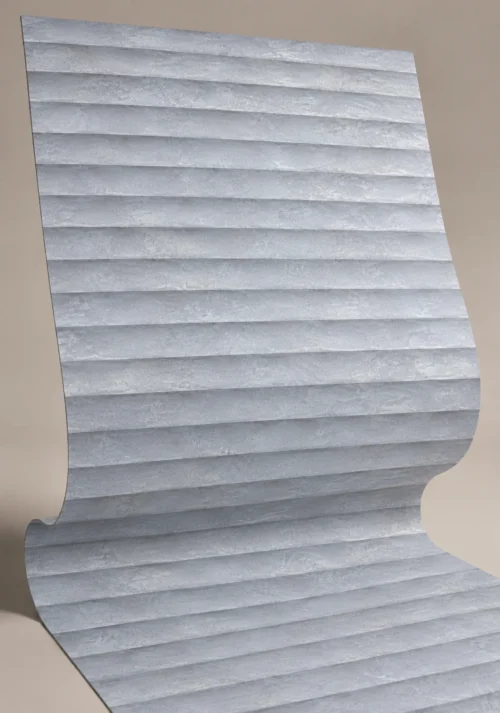
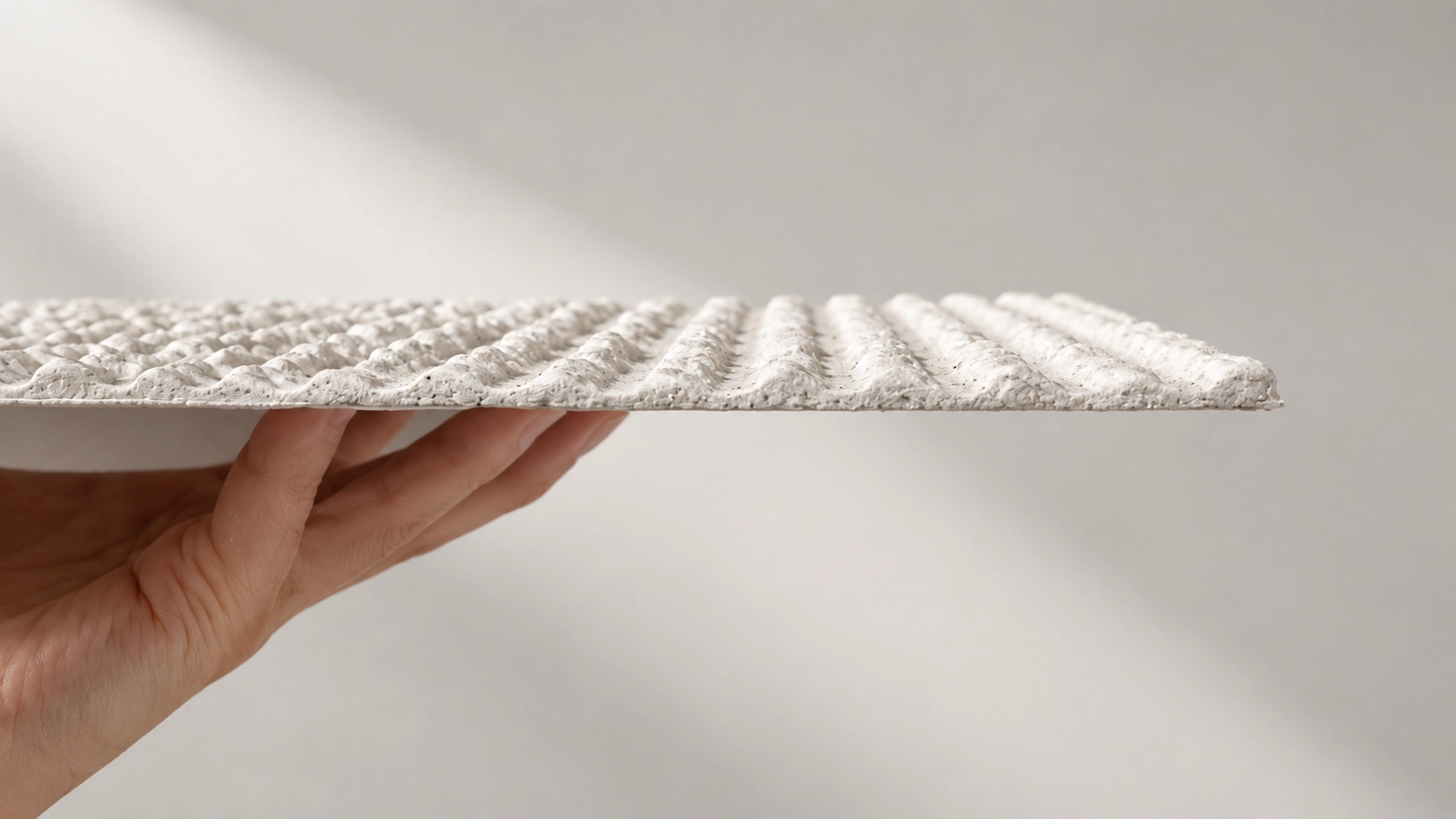
MCM Flexible Stone — Definition: MCM flexible stone is a thin, lightweight mineral-composite material made from modified inorganic clay, natural mineral powders and an eco-friendly emulsion binder. Through a curing and bonding process, these materials form a stable, flexible sheet with a realistic stone-like appearance and texture.
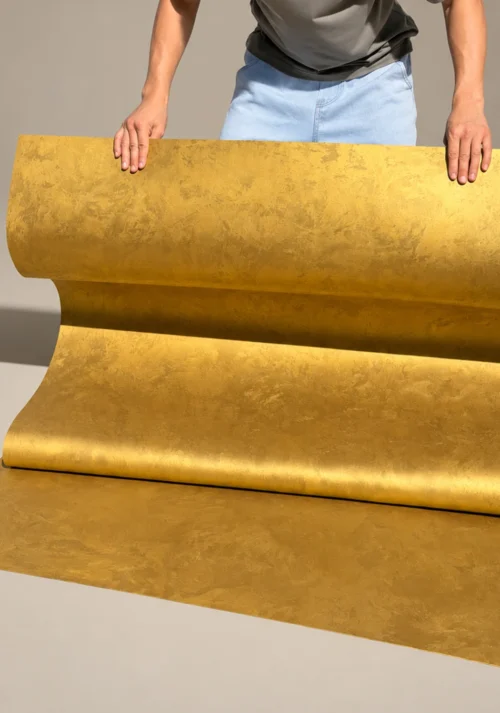
Compared with traditional stone slabs, MCM flexible stone is easier to handle, cut and install, making it suitable for interior walls, renovation projects, commercial spaces and certain curved surfaces.
| Item | Description |
|---|---|
| Material type | Mineral-based decorative wall surface |
| Typical form | Thin flexible sheets / panels |
| Main components | Modified inorganic clay + natural mineral powder + eco-friendly emulsion |
| Surface | Travertine, slate, wood grain and other textures |
| Key characteristics | Thin, lightweight, flexible, easy to cut |
| Main applications | Interior walls, renovation, commercial spaces, selected exterior façades |
The Development of MCM Flexible Stone in China
One of the published Chinese patents related to the early development of MCM flexible stone materials is CN1944509A, titled “Modified Slurry Elastic Surface Material and Method for Preparing a Skin Material.” The patent was filed in 2006. It describes a process involving clay, modifying agents, water and other components to form an elastic sheet, and also discusses combining the material with non-woven fabric or mesh reinforcement.
A more important industry milestone came in 2014, when JC/T 2219-2014 was published for modified inorganic powder composite building-decoration sheets. The standard covers terminology, classification, requirements, test methods, inspection, packaging, transportation and storage for this material category. The standard applies to modified inorganic powder composite sheets used for decorative finishing of interior and exterior walls, floors and roofs in industrial and civil buildings.
Structure of MCM Flexible Stone
MCM flexible stone is usually built as a multi-layer sheet rather than a solid stone slab.
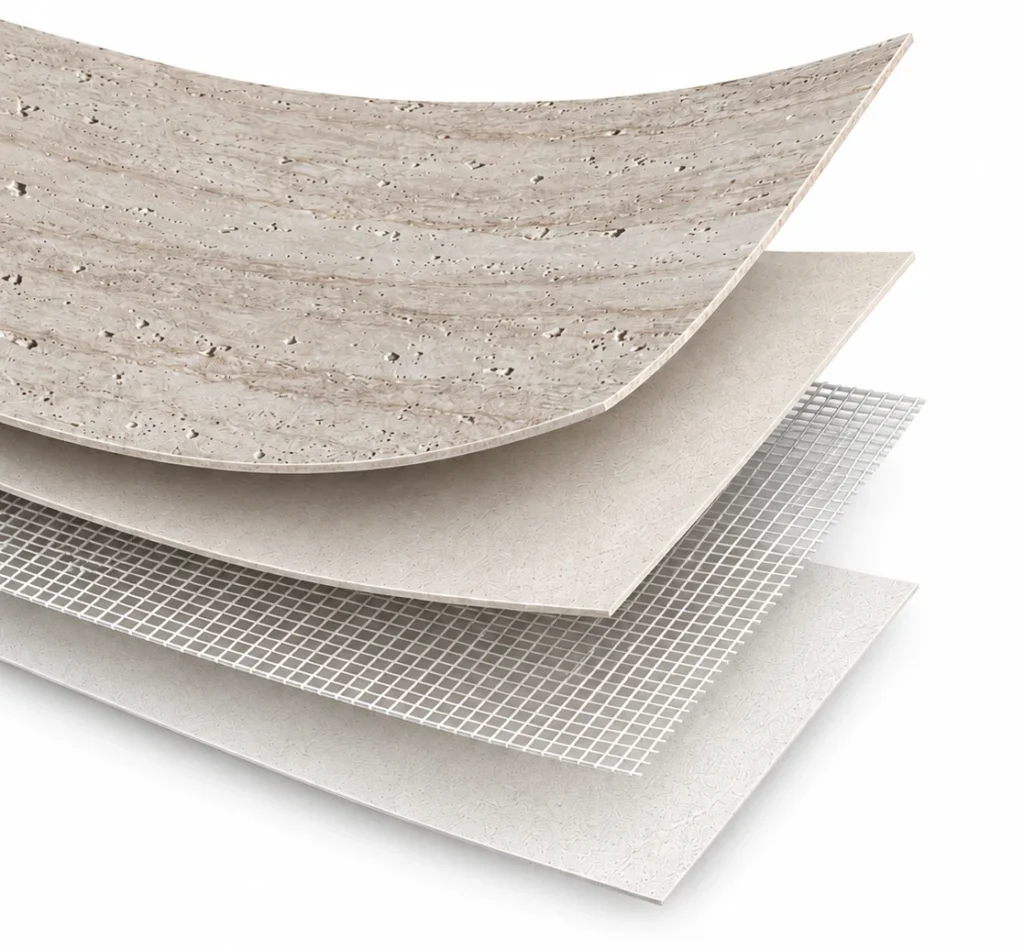
1. Surface Texture Layer
Features high-definition printing and a protective coating to replicate the texture of natural stone. It has a realistic appearance, is highly resistant to UV rays and weathering, and is easy to clean.
2. Composite Material Layer
Natural quartz sand + inorganic mineral soil + inorganic pigments. Provides a stone-like texture, color stability, and strength.
3. Fiberglass Mesh Fabric
High-strength double-layer mesh fabric. Enhances flexibility, tensile strength and crack resistance.
4. Bottom Reinforcement Layer
Adds structural stability and bonding strength, ensures durability and prevents deformation.
MCM Flexible Stone Composition Chart
| Substance Name | Concentration (%) | CAS No. |
|---|---|---|
| Silicon Dioxide | 76.69 | 7631-86-9 |
| Calcium Oxide | 11.14 | 1305-78-8 |
| Acrylic Polymer | 4.90 | — |
| Aluminium Oxide | 4.50 | 1344-28-1 |
| Magnesium Oxide | 2.06 | 1309-48-4 |
| Manganese Monoxide | 0.22 | 1344-43-0 |
| Iron Oxide | 0.22 | 1332-37-2 |
| Titanium Dioxide | 0.20 | 13463-67-7 |
| Hydroxyethyl Methyl Cellulose | 0.07 | 9032-42-2 |
The table data is sourced from the ingredient analysis table in the January 2026 MSDS report for YITA Flexible Stone. Report No.: RT202601100003.
The Production Process for MCM Flexible Stone
MCM flexible stone is a new type of renewable, eco-friendly architectural decorative material made primarily from colored inorganic mineral powders, with a small amount of water-based polymer added as a modifier. It is cross-linked and molded through microwave irradiation at a specific temperature.
1. Raw Material Collection & Processing
Collect inorganic minerals from nature, such as soil, rock powder, active mineral powder, and volcanic ash. Sort the raw materials by color, grind them, and produce trace-level inorganic mineral powders. Fluorinated surfactants are used to coat and modify the particle surfaces, forming organically activated clay with improved surface properties.
2. Slurry Preparation
Inorganic mineral powders and other aggregates are dispersed and mixed with an eco-friendly emulsion and a small amount of modifying additives to form a uniform slurry.
3. Mold Filling & Fiberglass Reinforcement
The slurry is evenly applied into the mold and combined with fiberglass mesh to improve structural strength and stability.
4. Microwave Curing
The formed material is heated by microwave drying and curing to stabilize the shape and structure of the sheet.
5. Cutting & Edge Finishing
The cured sheets are cut to the required dimensions, and the edges are trimmed for accurate sizing and clean installation.
6. 3D Printing & Color Fixing
High-definition 3D printer with natural-looking textures; inorganic dyes that are weather-resistant and retain their color over time.
7. Clear Topcoat Application
A transparent, colorless protective topcoat is applied to the surface to provide the final protective finish.
What Are the Advantages of MCM Flexible Stone?
Flexible stone offers a practical alternative to traditional stone and tile cladding. It is lightweight, easier to handle and install, and can help reduce transportation and installation costs while delivering the authentic look and texture of natural stone.
Compared with paint, flexible stone provides greater textural depth and a more realistic stone appearance, with the potential for longer-lasting decorative performance when properly installed and maintained.
When choosing a material, consider not only its appearance and upfront cost, but also substrate conditions, installation requirements, fire performance, weather exposure, maintenance, and the overall project budget.
Key Advantages at a Glance
- Lightweight and thin compared with conventional stone cladding
- Flexible enough for many gentle curves and columns
- Mineral-based surface with natural stone-like texture
- Easier cutting, handling and installation
- Suitable for both new construction and renovation
- Wide range of stone, travertine, slate and other decorative textures
- Available with documented fire and environmental test data for selected products
- Lower structural load than heavy stone systems
Comparison of MCM Flexible Stone with Other Exterior Wall Cladding Materials
For exterior applications, MCM flexible stone is commonly considered alongside natural stone, ceramic tile, textured paint and exterior coatings.
Its strongest advantages are typically lower weight, thinner construction, easier processing and greater adaptability to renovation surfaces. Natural stone and ceramic products, however, may offer greater hardness and impact resistance, while coatings remain simpler and more economical for basic large-area façade coverage.
| Feature | MCM Flexible Stone | Natural Stone | Ceramic Tile | Textured Paint / Coating |
|---|---|---|---|---|
| Weight | Low | High | Medium | Very low |
| Thickness | Thin | Thick | Medium | Very thin |
| Stone-like appearance | High | Natural / authentic | Medium–high | Low–medium |
| Gentle curved surfaces | Good | Poor | Limited | Good |
| On-site cutting | Relatively easy | Difficult | Moderate | Not required |
| Renovation suitability | Good | Limited | Moderate | Good |
| Impact resistance | Moderate | High | High | Low–moderate |
| Installation complexity | Moderate | High | Moderate | Low |
| Joint treatment | Usually required | Required | Required | Usually not |
| Best suited to | Lightweight cladding and renovation | Premium stone façades | Durable rigid finishes | Economical façade finishes |
Exterior performance depends on more than the sheet itself. Adhesive selection, substrate condition, joint sealing, drainage details and local building requirements all affect the final result.
Comparison of MCM Flexible Stone with Other Interior Wall Cladding Materials
Indoors, MCM flexible stone competes with a different group of materials, including wallpaper, wall fabric and wood wall panels.
Compared with soft decorative finishes, flexible stone creates a stronger architectural surface with more physical depth and mineral texture. It is especially suitable for feature walls, hotel interiors, retail spaces, restaurants and renovation projects.
Wallpaper and wall fabric remain attractive where low cost, softness or easy replacement are priorities, while real wood offers a warmth and natural character that mineral materials cannot completely reproduce.
| Feature | MCM Flexible Stone | Wallpaper | Wall Fabric | Wood Wall Panels |
|---|---|---|---|---|
| Surface character | Mineral / stone-like | Printed / decorative | Soft / textile | Natural wood |
| Physical texture | Strong | Low | Soft | Strong |
| Weight | Low | Very low | Low | Medium |
| Thickness | Thin | Very thin | Thin | Medium |
| Gentle curves | Good | Very good | Good | Limited |
| Resistance to minor contact | Moderate | Low | Low | Moderate–high |
| Installation | Adhesive-based | Paste / adhesive | Adhesive / fixing | Adhesive / mechanical |
| Design style | Versatile / broad design range | Highly decorative | Soft / warm | Warm / natural |
When Does MCM Flexible Stone Make the Most Sense?
MCM flexible stone is particularly worth considering when a project requires several characteristics at the same time:
- Low weight
- Thin construction
- Mineral texture
- Easier installation
- Class A Fire Rating
- Curved Wall Cladding
Applications of MCM Flexible Stone
MCM flexible stone can be used across a wide range of interior and exterior architectural surfaces. Its thin, lightweight and flexible structure makes it especially suitable for projects where conventional stone would be too heavy, too thick or difficult to install.
Rather than being limited to one design style, MCM flexible stone can reproduce travertine, slate, sandstone, wood grain, rammed-earth and other decorative textures, allowing it to work with residential, hospitality, retail and architectural projects.
Residential Interiors
MCM flexible stone can be used for living-room feature walls, TV walls, entrance areas, bedrooms, stair walls and other decorative interior surfaces.
Its relatively thin profile helps create a stone-like finish without significantly increasing wall thickness, making it particularly useful where designers want a stronger architectural texture than wallpaper or ordinary paint.
Hotels and Hospitality Spaces
Hotels, restaurants, cafés and reception areas often require materials that combine visual impact with practical installation. Different textures can create anything from a refined travertine appearance to a more rustic or contemporary mineral finish.
Retail and Commercial Interiors
In shops, showrooms, offices and other commercial spaces, MCM flexible stone can be used as a decorative wall cladding for brand walls, display areas and feature surfaces.
Its light weight and broad design range make it useful for commercial interiors that require a distinctive finish without introducing the structural load of traditional stone slabs.
Renovation Projects
Renovation is one of the applications where lightweight flexible stone can offer clear practical advantages.
When the existing substrate is firm, level, clean, dry and properly prepared, flexible stone may be installed over suitable existing wall surfaces, helping reduce demolition and the amount of heavy replacement material required.
However, flexible stone should not be used to conceal unstable substrates, serious cracking, moisture problems or structural defects. These issues should be repaired before installation.
Curved Walls and Columns
Because MCM flexible stone is produced in thin sheets, many products can follow gentle curves, columns and rounded architectural surfaces that would be difficult to finish with rigid stone or ceramic tiles.
Flexibility varies according to product thickness and surface texture. Thin, shallow-textured products generally adapt to curves more easily than thick or highly embossed designs.
To learn more about the application of flexible stone in curved wall designs, please click to view the following content:
Application Considerations
- Substrate stability
- Exterior-grade adhesive
- Joint width and weather-resistant sealant
- Moisture and drainage details
- Climate exposure
- Fire-performance requirements
- Local building regulations
MCM Flexible Stone Application Case Studies:
“For YITA Flexible Stone, product selection can be matched to the intended surface, texture, bending requirement and interior or exterior application. For demanding projects, samples and technical documentation should be reviewed before final specification.”
How Is MCM Flexible Stone Installed?
MCM flexible stone is designed for a relatively efficient installation process, but good preparation and correct detailing are essential for the best final appearance. In most projects, the installation can be summarized into four main stages: substrate preparation, layout planning, sheet installation, and joint sealing. For a cleaner result, installers should also follow the recommended adhesive system, joint width, and finishing method for the specific project conditions.
1. Substrate Preparation
The substrate should be firm, level, clean, and dry before installation begins. Loose particles, oil, dust, and other contaminants must be removed to ensure proper bonding performance. Any weak or uneven areas should be repaired in advance, because MCM flexible stone is a thin decorative surface material and the base condition can directly affect the final finish.
2. Layout Planning and Marking
Before applying adhesive, it is recommended to plan the sheet layout and confirm the direction of the pattern, joint position, and overall visual balance. Installers should mark reference lines on the wall to guide placement and keep the installation aligned. Careful layout planning helps reduce visual inconsistency, improves edge treatment, and makes the finished wall look more professional.
3. Installing the Flexible Stone Sheets
After the layout is confirmed, the adhesive is applied evenly and the flexible stone sheets are positioned according to the guide lines. Each sheet should be placed carefully, pressed into position, and adjusted as needed to achieve full contact with the substrate. Proper pressing helps avoid hollow spots and ensures the surface remains flat, secure, and visually consistent.
4. Filling the Joints with Weather-Resistant Sealant
Once the sheets are installed, the joints can be filled with a selected weather-resistant sealant where required. Joint width may vary depending on interior or exterior use, project design, and installation method. After the sealant reaches a semi-set condition, the joints can be tooled and the surrounding surface cleaned to create a neat and durable finish.
For more detailed installation methods, corner treatment, joint finishing, and recommended application practices, you can read our full flexible stone installation guide.
FAQ
Is MCM Flexible Stone Waterproof?
The surface layer of MCM flexible stone is designed to provide water resistance, and the tested water absorption of YITA flexible stone is below 7.5%. When installed as part of a complete YITA flexible stone system, including suitable adhesive and joint treatment, the finished wall can provide good water- and moisture-resistant performance.
However, flexible stone should not be treated as a material for long-term immersion. After installation, it is important to prevent water from entering the bonding layer from the top edges, side edges, or open joints. These vulnerable areas should be properly sealed with a weather-resistant sealant to reduce moisture penetration and help protect the long-term service life of the installation.
What Should Buyers Check Before Choosing MCM Flexible Stone?
Buyers should compare more than color and texture. Important factors include material composition, thickness, sheet size, backing structure, flexibility, fire-performance documentation, environmental testing, exterior suitability, adhesive compatibility and batch consistency. Samples are recommended before confirming large or project-specific orders.
What type of adhesive should be used for MCM flexible stone?
For MCM flexible stone, C2S1 flexible bonding mortar is recommended for strong adhesion and movement accommodation. In dry interior areas, sheets can be installed with or without visible joints, and pneumatic wood nails may be used as supplementary fixation where needed. For exterior walls, use a thin, full-coverage adhesive layer, leave joints of about 5 mm, and seal them with a weather-resistant sealant.
What is the approximate service life of MCM flexible stone?
YITA MCM flexible stone can last for over 20 years in exterior wall applications, as demonstrated by real-world projects, when installed using the correct installation methods and materials. With proper installation, it is designed to resist debonding, hollow spots, and noticeable fading, helping maintain its appearance and performance over time. Actual service life depends on substrate conditions, installation quality, and environmental exposure.
Conclusion
MCM flexible stone is a mineral-composite decorative cladding material made from modified inorganic clay, natural mineral powders, and an eco-friendly emulsion binder. Compared to bulky natural stone and rigid ceramic tiles, its core advantages lie in its ultra-lightweight, thin-panel structure, moderate flexibility (making it suitable for curved walls and columns), and excellent adaptability for renovation projects on stable existing substrates.
It is important to note that MCM Flexible Stone is not a one-size-fits-all solution. Its performance depends largely on proper substrate preparation, the selection of a C2S1 flexible adhesive, joint sealing, and local climatic conditions. Not all specifications are suitable for exterior walls; users must consult to confirm whether a specific product meets the requirements for exterior use before specifying it for outdoor projects.
For architects, contractors, hotel developers, and specifiers on renovation projects, MCM Flexible Stone offers the aesthetic appeal of natural stone without imposing excessive structural loads. For further information, please refer to our dedicated articles covering installation guides, material comparisons, and case studies of actual projects. For product samples, technical data sheets, or specification support for specific projects, please contact the YITA technical team. We will provide tailored recommendations for your interior or exterior cladding projects.