
-
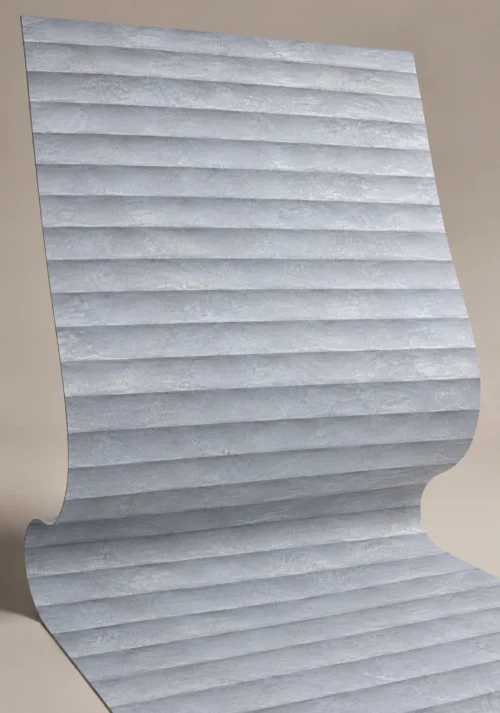
Stone Metal Harmony
$35.00 -
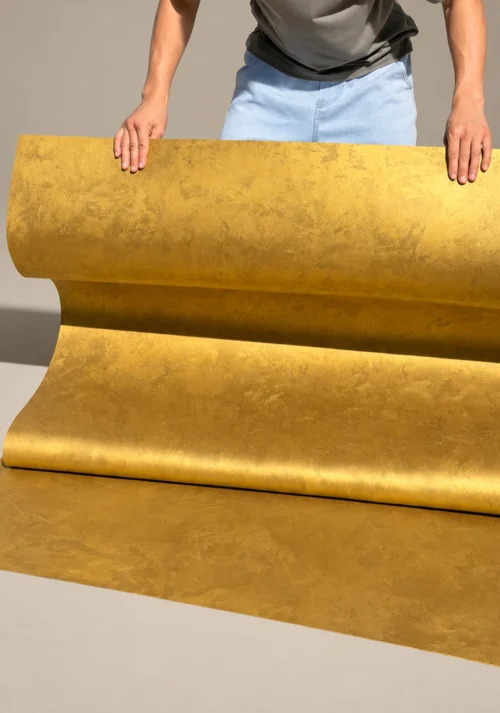
Metallic Silk
$35.00

-
Call Now 578-393-4937
-
Any Questions cosmetics@mail.com
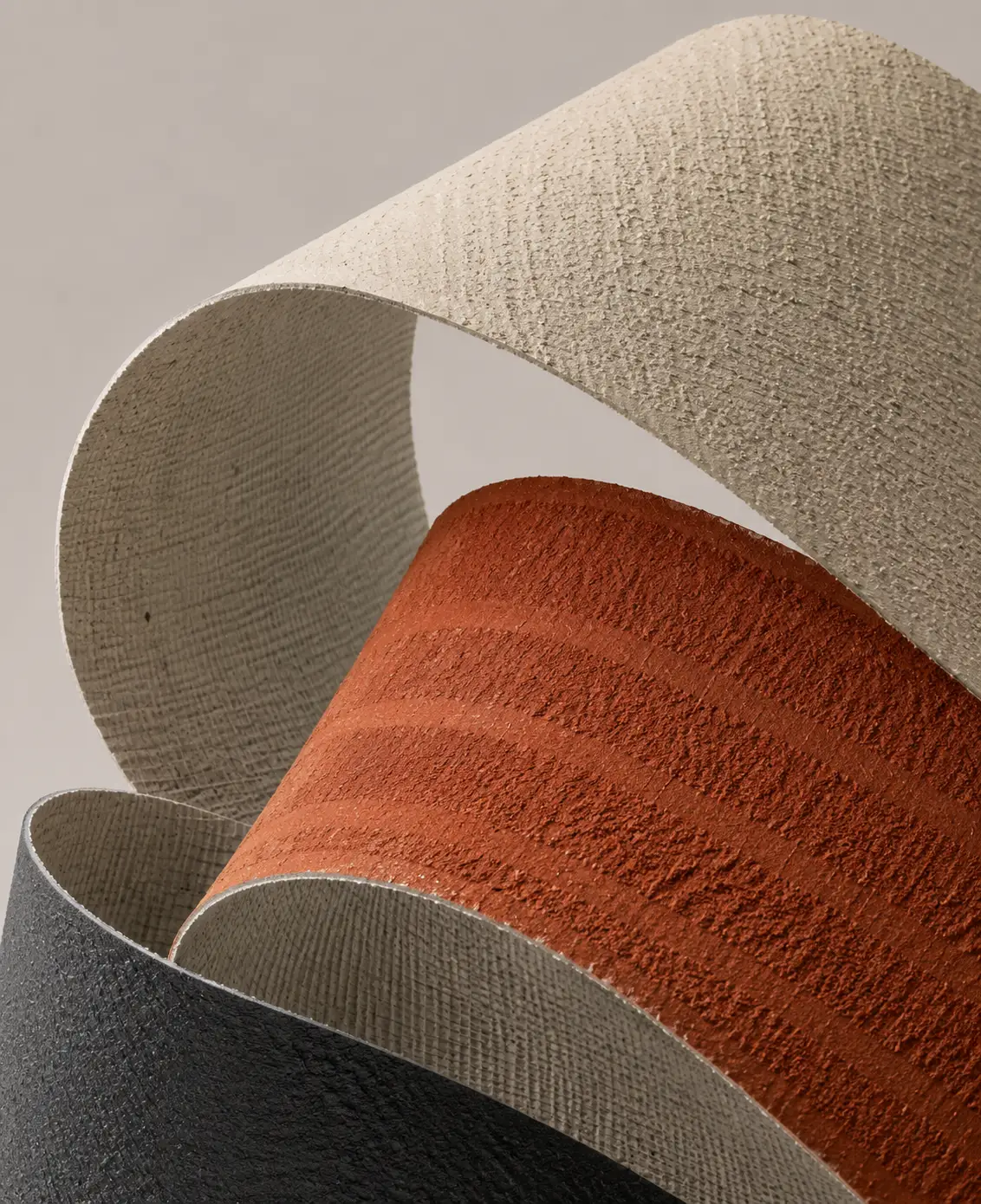
What Is Flexible Stone? Types, Benefits and Uses
Bychloe
Flexible stone is a thin, lightweight architectural surface used to create stone, travertine and other decorative finishes without the weight and thickness of conventional stone slabs.
The term flexible stone describes a broad product category rather than one single material. Some products contain a very thin layer of genuine natural stone bonded to a flexible backing, while others, including MCM flexible stone, use a predominantly mineral-based material system to form the finished surface.
This distinction matters because material composition can affect weight, thickness, flexibility, appearance and suitable applications.
Before choosing a product, it is important to understand what type of flexible stone you are considering and how it will be used.
The Two Main Types of Flexible Stone
Natural Stone Flexible Veneer
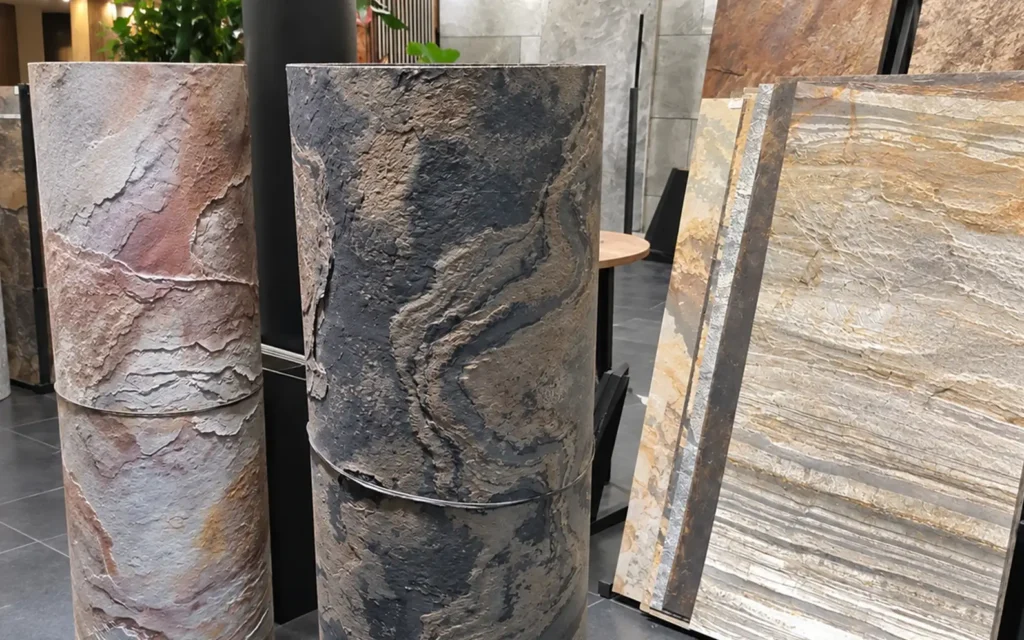
Natural stone flexible veneer begins with genuine stone.
A very thin surface layer is separated from slate, sandstone or another suitable natural stone and bonded to a flexible backing.
Because the visible surface comes directly from natural stone, its color variation, pores, veins and surface characteristics occur naturally. Each sheet may therefore have slightly different features depending on the original stone.
MCM Flexible Stone
MCM is commonly expanded as Modified Clay Material.
Instead of cutting or peeling a thin surface from a natural stone block, MCM flexible stone is formed from a predominantly mineral-based material system and manufactured into different architectural finishes.
Different forming and finishing techniques make it possible to produce stone-inspired surfaces as well as wood grain, rammed earth, linear textures and decorative finishes.
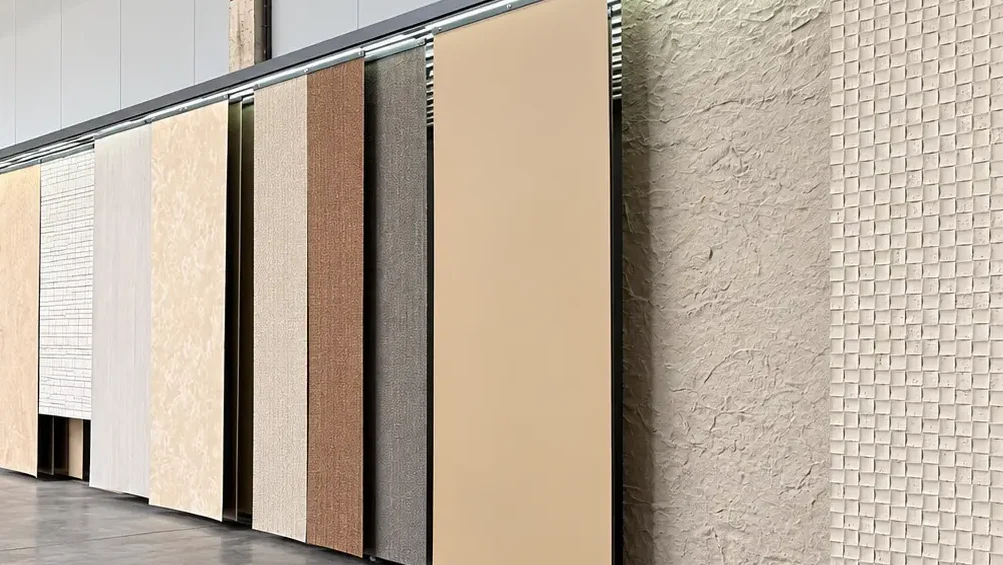
YITA focuses primarily on mineral-based MCM flexible stone surfaces.
Although MCM products and natural stone flexible veneer may both be marketed under the broader term “flexible stone,” they are different material systems and should be evaluated separately.
What Is Flexible Stone Made Of?
The answer depends on the type of flexible stone.
Natural stone flexible veneer contains a genuine thin stone surface combined with a supporting layer.
MCM flexible stone, by comparison, uses a predominantly mineral-based composition that is formed into thin architectural decorative panels.
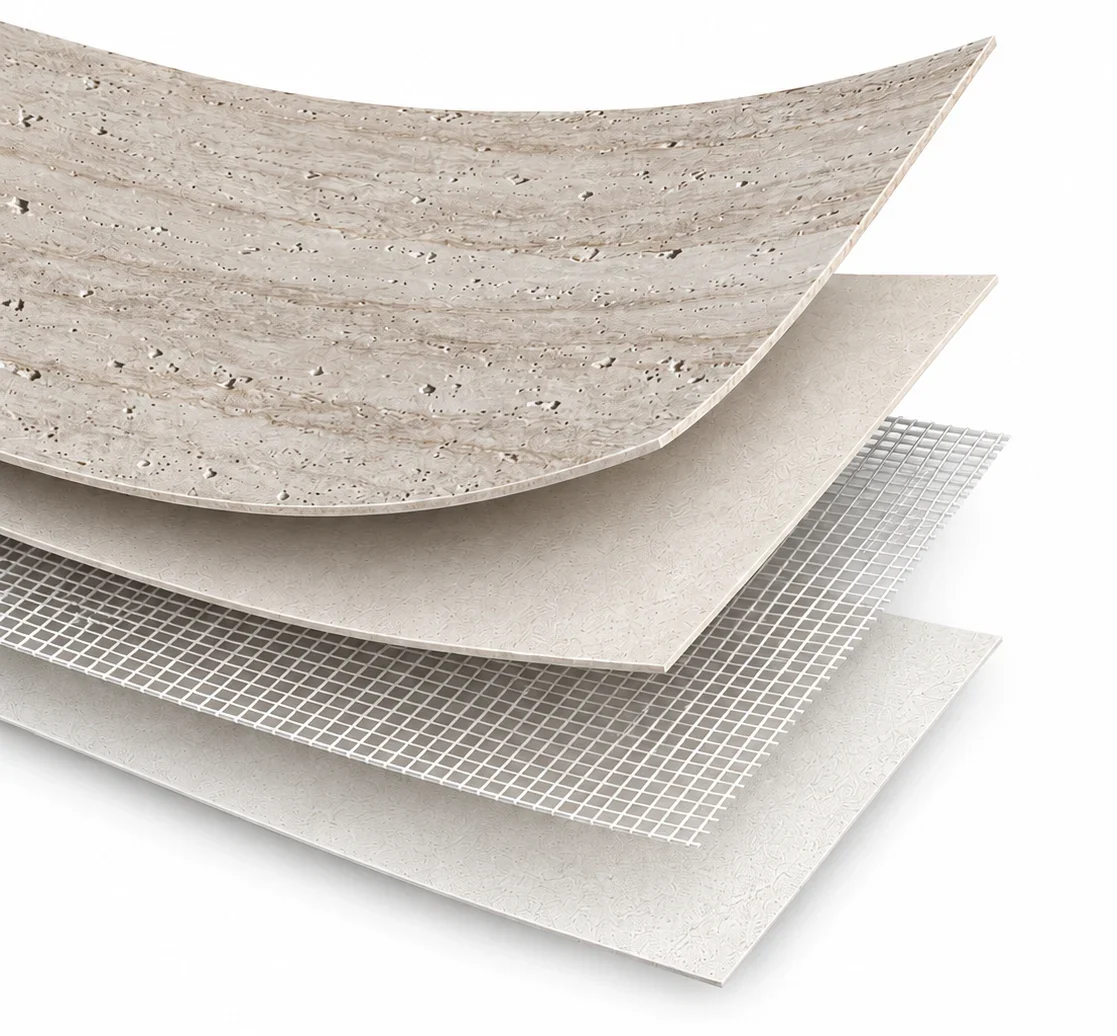
Simple diagram showing the layered structure of YITA MCM flexible stone.
This material system allows greater control over color, texture and surface design than naturally split stone. It can therefore create not only stone-inspired finishes, but also other architectural textures such as rammed earth, wood grain, linear patterns and decorative metallic surfaces.
When sourcing flexible stone, it is better to ask what the product is made from rather than relying only on the product name.
How Is MCM Flexible Stone Made?
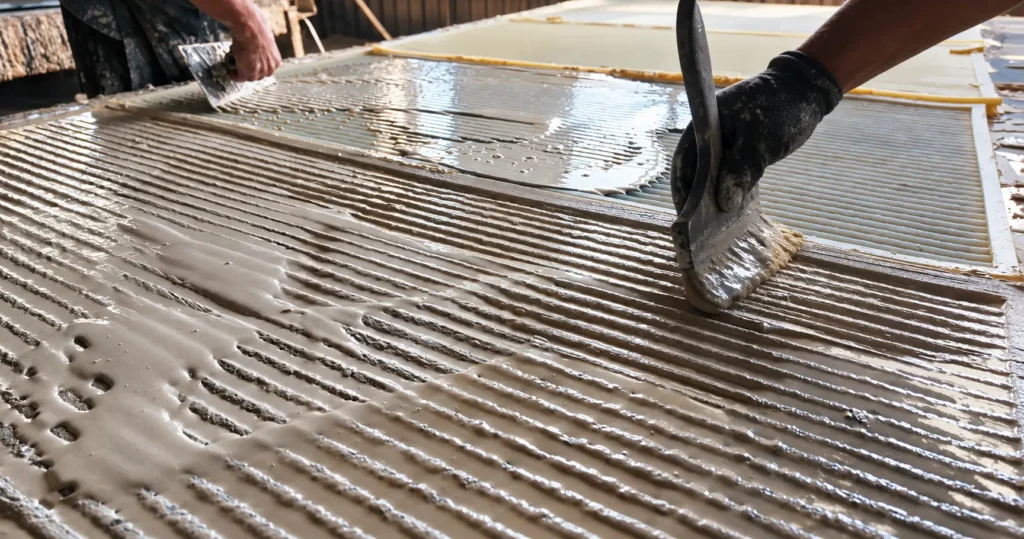
The exact manufacturing process varies according to the manufacturer, collection and surface design.
In general, mineral-based materials are formed into a relatively thin decorative surface, while the required color and texture are created during production and finishing.
Different finishes may require different processes. Relatively flat surfaces can generally be produced in thinner formats, while deeper three-dimensional textures require more material.
Some decorative collections may also involve additional manual finishing. Selected products within YITA’s Luxury Gilded Collection, for example, can require more detailed hand-finishing to create their surface effect.
Because production methods vary, thickness, weight and flexibility should always be confirmed for the specific product being considered.
Typical Flexible Stone Specifications
Flexible stone does not have one universal thickness, weight or bending radius.
Specifications vary according to factors such as:
- Surface texture
- Texture depth
- Panel dimensions
- Material construction
- Product collection
- Intended application
Common YITA panel formats include:
| Panel Size | Typical Application |
|---|---|
| 600 × 1200 mm | Standard wall applications |
| 1200 × 2400 mm | Large-format wall surfaces |
| 1200 × 3000 mm | Extra-large decorative wall applications |
Other dimensions may be available depending on the collection and project requirements.
Weight can also vary significantly between textures. A relatively flat panel and a deeply textured panel of the same dimensions may have very different weights per square meter.
For this reason, technical information should be confirmed according to the exact texture, panel size and product construction rather than applying one specification to the entire flexible stone category.
For curved applications, testing a physical sample before final specification is recommended.
Key Benefits of Flexible Stone
Lower Weight
Flexible stone adds considerably less weight than conventional thick stone cladding systems.
This can simplify transportation, handling and installation, and is particularly useful in renovation projects or on existing walls where additional load needs to be controlled.
Thin Wall Build-Up
Flexible stone creates a thinner decorative wall build-up than many traditional stone finishes.
This can reduce disruption around doors, windows, corners, joinery and adjoining finishes.
For many renovation projects, reduced thickness can be just as valuable as flexibility.
Adaptability to Curved Surfaces
Suitable flexible stone textures can be applied around columns, rounded corners and gently curved walls.
However, flexibility is product-specific. Thinner and flatter surfaces are generally more adaptable, while deeper or thicker textures may not be suitable for tight curves.
The actual sample should be tested where a specific bending radius is required.
Broad Surface Design Options
MCM flexible stone is not limited to reproducing one type of natural stone.
YITA currently offers six main collections:
- Travertine Collection
- Faux Stone Collection
- Linear Texture Collection
- Wood Grain Collection
- Rammed Earth Collection
- Luxury Gilded Collection
These collections cover finishes ranging from stone-inspired and earth-inspired surfaces to wood grain, linear textures and decorative metallic effects.
This gives architects, designers, contractors and project buyers more flexibility when coordinating materials across different spaces.
For larger project orders, YITA can also support custom patterns and surface designs.
Customization is subject to minimum order quantity requirements and should be confirmed according to the required pattern, panel dimensions and project volume.
Suitable for Renovation
The combination of lower weight and reduced thickness makes flexible stone particularly useful for refurbishment projects.
Where the substrate is suitable, it can provide a new architectural finish without the heavy build-up associated with conventional stone cladding.
Where Is Flexible Stone Used?
Flexible stone can be used in a wide range of residential and commercial projects.
Common interior applications include:
- Feature walls
- Living room walls
- Reception areas
- Hotel interiors
- Restaurant interiors
- Retail spaces
- Commercial interiors
- Columns
- Curved architectural details
Selected exterior-rated products may also be used for:
- Villa facades
- Building entrances
- Exterior feature walls
- Commercial facades
- Renovation projects
Exterior performance, however, depends on the complete wall system rather than the decorative panel alone.
A successful installation requires consideration of the substrate, adhesive, joint design, moisture management, climate and installation method.
Flexible stone should therefore be treated as one component of the wall or facade system rather than as the complete waterproofing system.
Flexible Stone vs Traditional Stone
Flexible stone can reproduce the appearance and texture of architectural stone, while its material composition and construction differ from traditional natural stone.
| Feature | Flexible Stone | Traditional Stone |
|---|---|---|
| Weight | Relatively lightweight | Generally heavier |
| Thickness | Thin | Usually thicker |
| Handling | Easier to transport and handle | Often requires heavier handling |
| Curved Surfaces | Suitable textures can adapt to curves | More limited |
| Surface Options | Wide range of architectural textures | Determined largely by natural stone |
| Renovation Use | Suitable for many renovation projects | Additional weight and thickness may need consideration |
| Material Composition | Mineral-based material; no natural stone surface layer | Natural stone |
Neither material is automatically suitable for every project.
The right choice depends on the desired appearance, installation conditions, structural requirements, project budget and technical requirements.
How to Choose the Right Flexible Stone
1. Identify the Application
First determine whether the material will be used indoors or outdoors.
Exterior applications normally require more detailed consideration of weather exposure, substrate conditions, joint design and installation materials.
2. Confirm the Material Type
Check whether the product is:
- Natural stone flexible veneer
- Mineral-based MCM flexible stone
Do not assume that every product marketed as “flexible stone” has the same construction.
3. Choose the Texture First
Texture can influence thickness, weight and flexibility.
It is usually more practical to choose the required appearance first and then review the technical specifications of that specific product.
4. Review the Substrate
Check the type and condition of the wall before selecting the installation system.
The adhesive and installation method should be compatible with both the substrate and the flexible stone product.
5. Test a Physical Sample
A physical sample allows you to evaluate:
- Color
- Texture
- Surface depth
- Flexibility
- Appearance under real lighting
Sample testing is particularly useful for curved applications and projects where surface appearance is critical.
6. Check Technical Documentation
Fire performance, weathering performance and other technical properties can vary between products.
Where a project has specific regulatory or performance requirements, request the relevant test documentation and confirm that it applies to the actual product being supplied.
7. Confirm Customization Requirements Early
If a project requires a special pattern or surface design, discuss customization before finalizing the specification.
YITA can support selected custom pattern development for suitable project quantities.
Minimum order quantities apply, and the exact requirement depends on the design, panel dimensions, production process and overall project volume.
Flexible Stone FAQs
Is Flexible Stone Real Stone?
Sometimes.
Natural stone flexible veneer contains a genuine natural stone surface.
MCM flexible stone, by comparison, is a formed mineral-based architectural surface designed to create stone-inspired and other decorative textures.
Always confirm the material construction with the supplier.
Can Flexible Stone Be Used Outside?
Selected products can be used for exterior applications.
However, exterior performance depends on the complete system, including the substrate, adhesive, joints, moisture management, weather exposure and workmanship.
Is Flexible Stone Waterproof?
Yes. The material itself is designed to be water-resistant and fire-resistant. It does not easily absorb water and is suitable for both interior and selected exterior applications.
For exterior walls or areas exposed to frequent moisture, the overall performance still depends on correct substrate preparation, adhesives, joints and installation methods.
Can Flexible Stone Bend Around Columns?
Many thinner and flatter flexible stone textures can adapt to columns and gently curved surfaces.
Deeper or thicker textures may have more limited flexibility, so the actual sample should be tested when a specific bending radius is required.
Is Flexible Stone Suitable for Renovation?
In many cases, yes.
Its relatively low weight and thin profile make flexible stone useful when an existing wall requires a new decorative finish without the thickness and weight of conventional stone cladding.
Can Flexible Stone Patterns Be Customized?
Selected patterns and surface designs can be customized for suitable project orders.
Customization depends on the required design, panel dimensions, production method and order quantity. Minimum order quantity requirements apply.
Choosing the Right Flexible Stone for Your Project
Flexible stone is most useful when a project requires a lightweight, thin and adaptable architectural surface.
However, the term “flexible stone” covers different material systems and product constructions.
The right product should therefore be selected according to its actual material composition, surface texture, panel dimensions, technical properties and intended application.
For architects, contractors, distributors and project buyers, a practical approach is to choose the required texture first and then review the specifications of that specific product.
YITA offers six main flexible stone collections and can also support custom surface designs for suitable project quantities.
If you are unsure which flexible stone surface is suitable for your project, share the application, substrate, project location, preferred finish and approximate quantity with YITA. We can help narrow down suitable options and arrange samples for evaluation before final specification.