
-
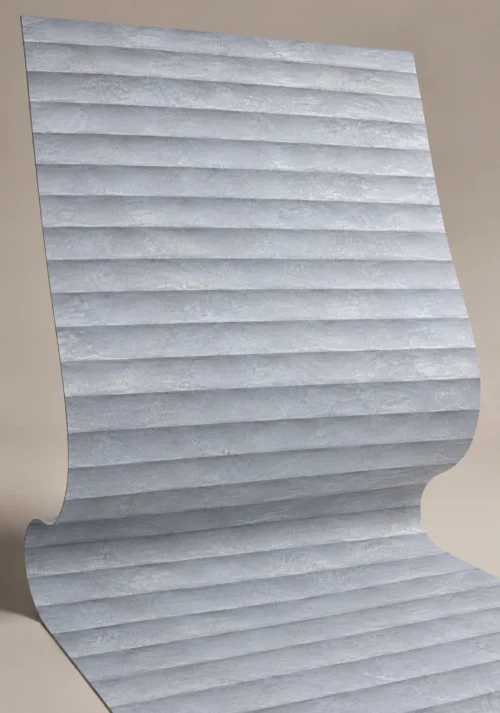
Stone Metal Harmony
$35.00 -
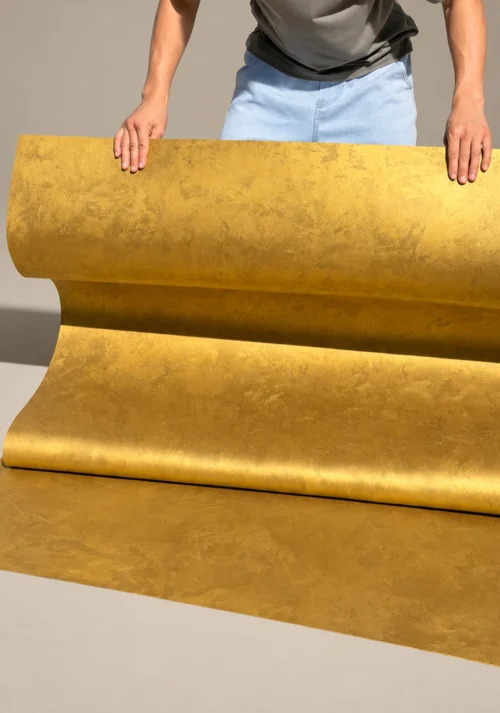
Metallic Silk
$35.00

-
Call Now 578-393-4937
-
Any Questions cosmetics@mail.com
Flexible Stone Sheet Guide: Sizes, Weight, Applications & What Buyers Should Check
Bychloe
Flexible stone sheets offer a lightweight, thin wall finish with a wide range of architectural textures for interiors, commercial spaces, renovations and selected exterior projects.
YITA mainly supplies MCM flexible stone, a mineral-based material made primarily from inorganic mineral components rather than a thin layer of natural stone.
For project buyers, the key is to compare size, thickness, weight, flexibility, installation requirements and technical data before selecting a product.
Typical YITA Flexible Stone Sheet Specifications
| Property | Typical Data |
|---|---|
| Common Sizes | 600 × 1200 / 600 × 3000 / 1200 × 2400 / 1200 × 3000 mm |
| Other Sizes | Depending on texture and project requirements |
| Thickness | 2–10 mm |
| Weight | 3.5–9.7 kg/m² |
| Water Absorption | 7.5% |
| Dimensional Tolerance | ±1 mm |
| Artificial Weathering | 2,000 h |
| TVOC | 6.2 g/m² |
Actual specifications may vary depending on the texture, thickness and product series. Final project selection should be based on the data for the specific product being considered.
What Is a Flexible Stone Sheet?
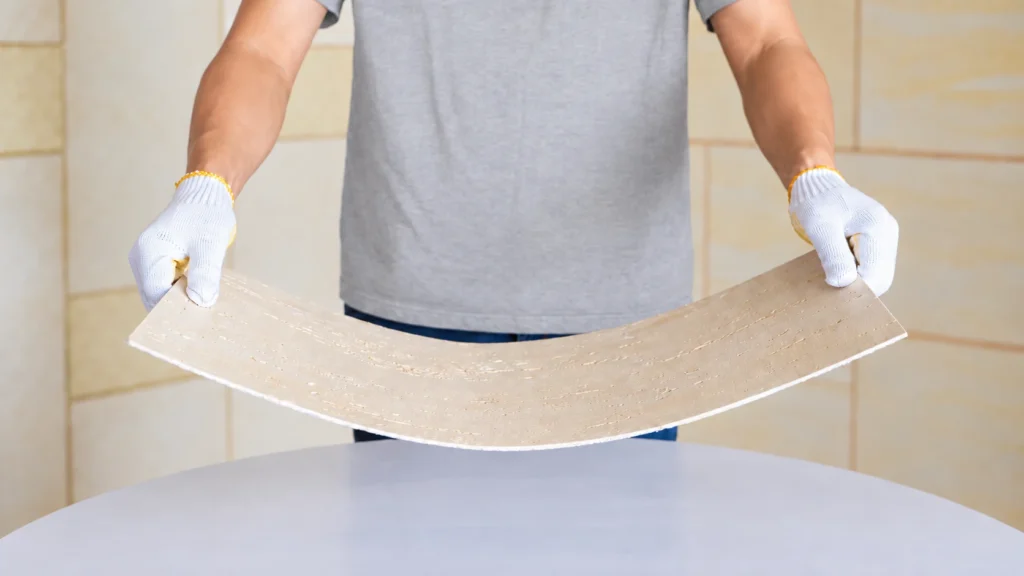
A flexible stone sheet is a thin architectural finishing material mainly used for wall applications.
Depending on the market and product system, you may also see terms such as:
- Flexible Stone Sheet
- Flexible Stone Veneer Sheet
- MCM Flexible Stone
- Soft Porcelain
- Flexible Stone Panel
These terms are sometimes used interchangeably, even though the materials themselves can be very different.
YITA’s MCM flexible stone is not made by slicing a thin layer from natural stone. Instead, it is formed from mineral-based raw materials through controlled manufacturing and surface-finishing processes.
For this reason, the first question buyers should ask is not simply what the product is called, but:
What material system is it actually made from?
What Is Flexible Stone Sheet Made Of?
Based on available composition data for corresponding products supplied by YITA, the tested sample is mainly made from inorganic mineral components.
The major components include:
- Silicon dioxide: 76.69%
- Calcium oxide: 11.14%
- Acrylic polymer: 4.9%
- Aluminium oxide: 4.5%
- Magnesium oxide: 2.06%
The remaining content consists of smaller amounts of other mineral components and auxiliary materials.
For this reason, YITA prefers the term:
Mineral-Based Flexible Stone
rather than describing the product as a natural stone surface layer.
The exact composition may vary by series and product type, so project decisions should always be based on the corresponding product information.
YITA’s Six Flexible Stone Collections
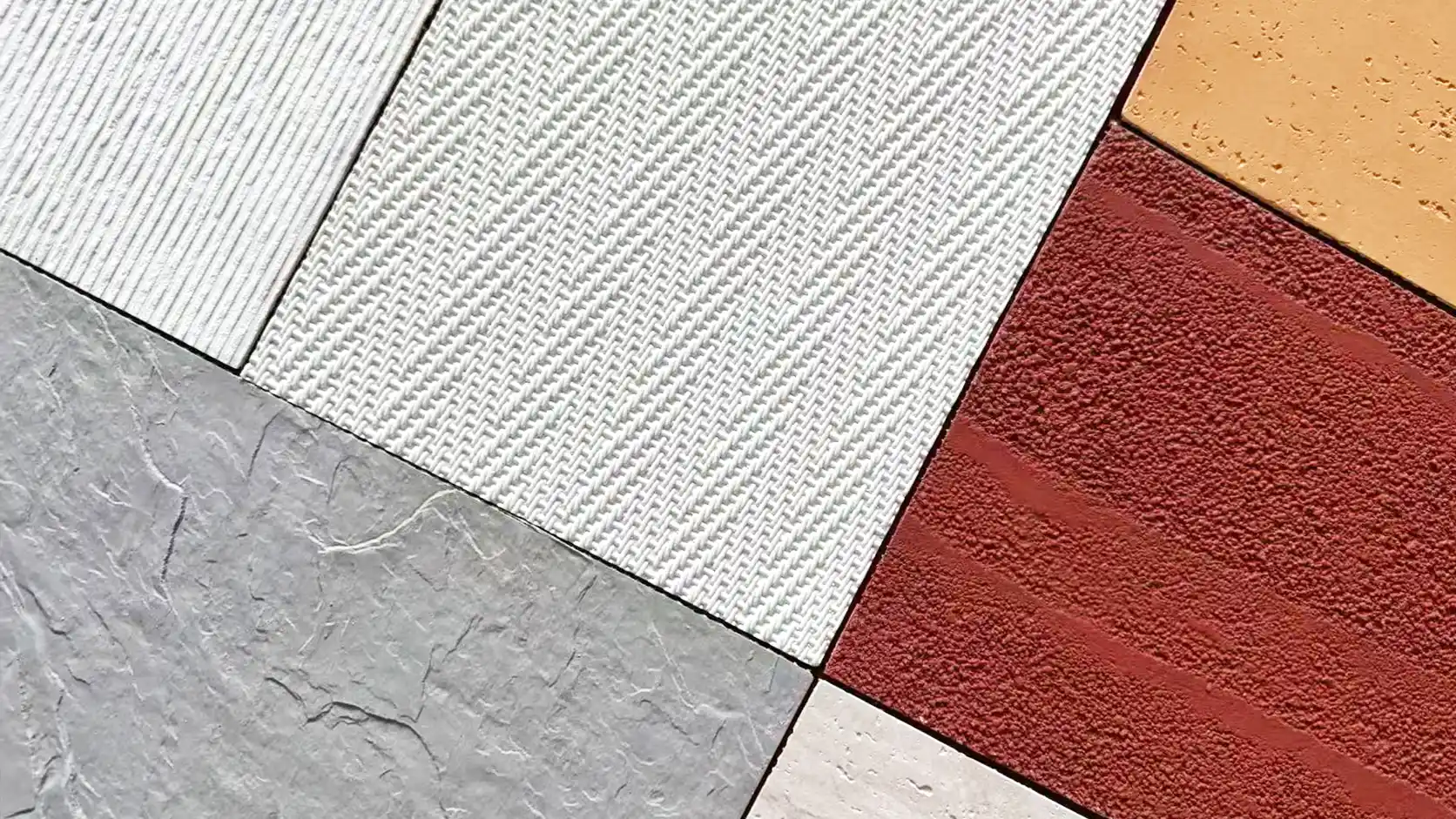
YITA organizes its flexible stone products into six main surface collections:
- Travertine Collection — natural travertine-inspired pores and layered textures
- Faux Stone Collection — granite-, marble-, slate- and andesite-inspired surfaces
- Linear Texture Collection — linear grooves and modern architectural patterns
- Wood Grain Collection — mineral-based wood-grain surfaces
- Rammed Earth Collection — earthy, layered and sand-textured finishes
- Luxury Gilded Collection — metallic, gilded and decorative surface effects
Each collection may differ in texture depth, thickness and flexibility.
For project selection, it usually makes more sense to choose the preferred surface first, then confirm the available size and thickness.
How Thick and Heavy Is a Flexible Stone Sheet?
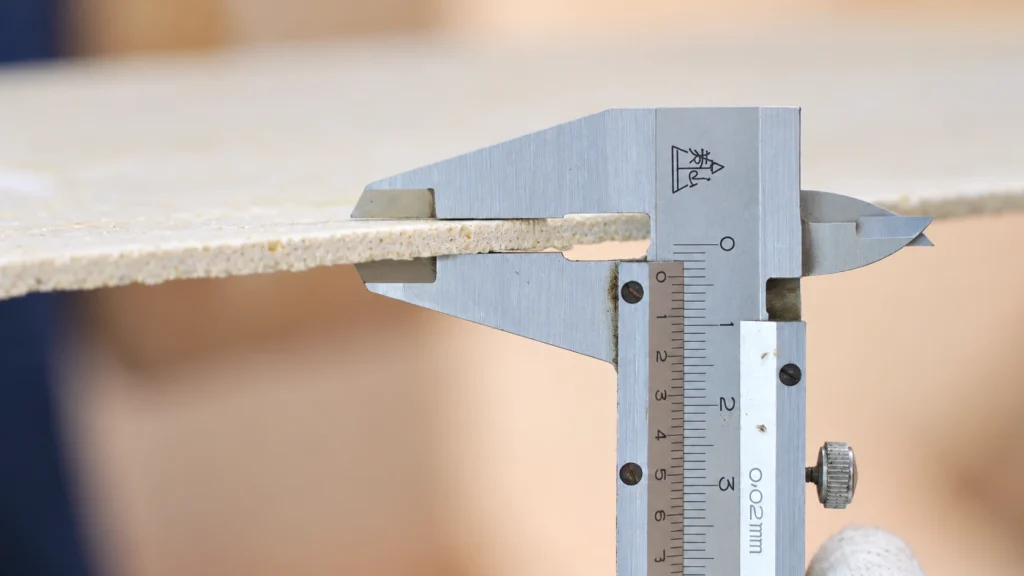
YITA flexible stone sheets are typically available in thicknesses of approximately:
2–10 mm
Flatter, shallower textures are usually thinner, while deeper or more three-dimensional surfaces may require greater thickness.
Typical weight ranges from:
3.5–9.7 kg/m²
For project buyers, weight per square meter is usually more useful than weight per sheet because it helps estimate:
- Additional wall load
- Shipping weight
- Pallet and container loading
- On-site handling
- Installation requirements
So instead of asking only, “How much does one sheet weigh?”, it is often more useful to confirm the actual kg/m² for the selected product.
Can Flexible Stone Sheets Bend?
Yes, but the bending performance varies by product.
“Flexible” does not mean every surface can be folded freely.
Flexibility depends on factors such as:
- Thickness
- Texture depth
- Product structure
- Bending direction
Thinner and flatter products generally offer better flexibility, while deeper or more heavily textured surfaces are less suitable for aggressive bending.
For projects involving:
columns, curved walls or rounded corners,
we recommend evaluating a physical sample before placing the final order.
Where Can Flexible Stone Sheets Be Used?
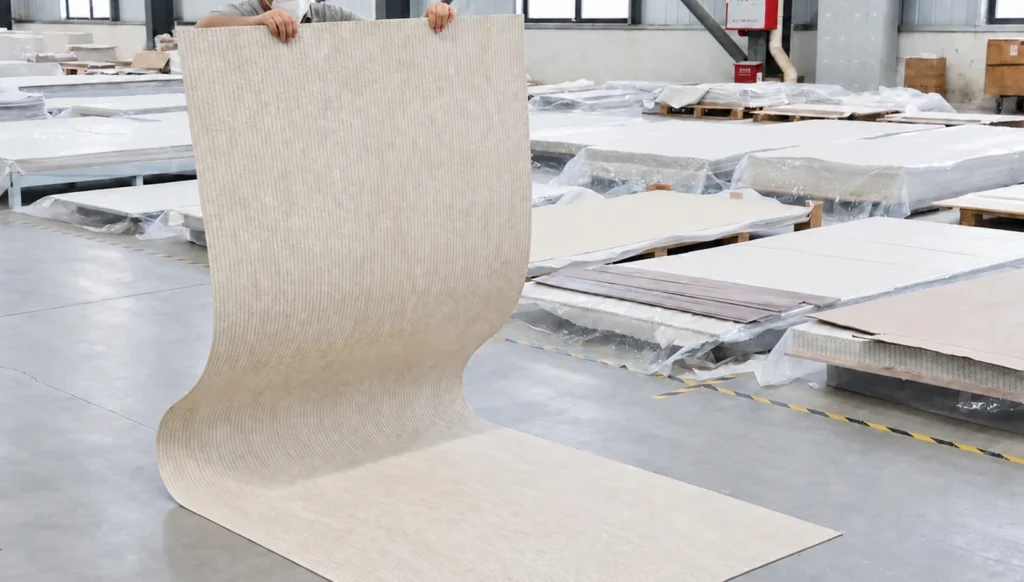
Flexible stone sheets can be used in a range of architectural wall applications.
Interior Walls
Feature walls, lobbies, hotel rooms, reception areas and residential interiors.
Commercial Spaces
Retail stores, restaurants, hotels, offices and showrooms.
Villa Facades
Selected products can be used for villa facades and entrance walls, depending on project conditions.
Renovation Projects
Suitable for many refurbishment projects where reducing additional weight and site workload is important.
Columns & Curved Surfaces
Products with suitable flexibility can be used on certain columns and curved architectural surfaces.
Can Flexible Stone Sheets Be Used Outdoors?
Some flexible stone sheets are suitable for exterior wall applications.
However, exterior performance should not be judged by the panel alone.
The full system should be considered:
Panel + Substrate + Adhesive + Joint Treatment
According to available test data for corresponding products supplied by YITA, relevant samples have completed:
2,000 hours of artificial weathering testing
This can provide useful technical reference when evaluating exterior applications.
However, laboratory weathering hours should not be directly converted into a fixed number of years of outdoor service life.
How Are Flexible Stone Sheets Installed?
MCM flexible stone is typically installed using a compatible construction adhesive system.
A basic installation process usually includes:
- Inspecting and cleaning the substrate
- Measuring and planning the layout
- Cutting the panels to size
- Applying a suitable adhesive
- Treating joints according to the project requirements
For exterior applications in particular, the substrate condition, adhesive system and weather-resistant joint treatment should be confirmed in advance.
What Test Data Matters for Interior Projects?
For interior projects, measurable test data is more useful than broad claims such as “eco-friendly.”
Available test documentation for selected YITA products includes evaluations for TVOC, soluble lead, soluble cadmium and radionuclide limits.
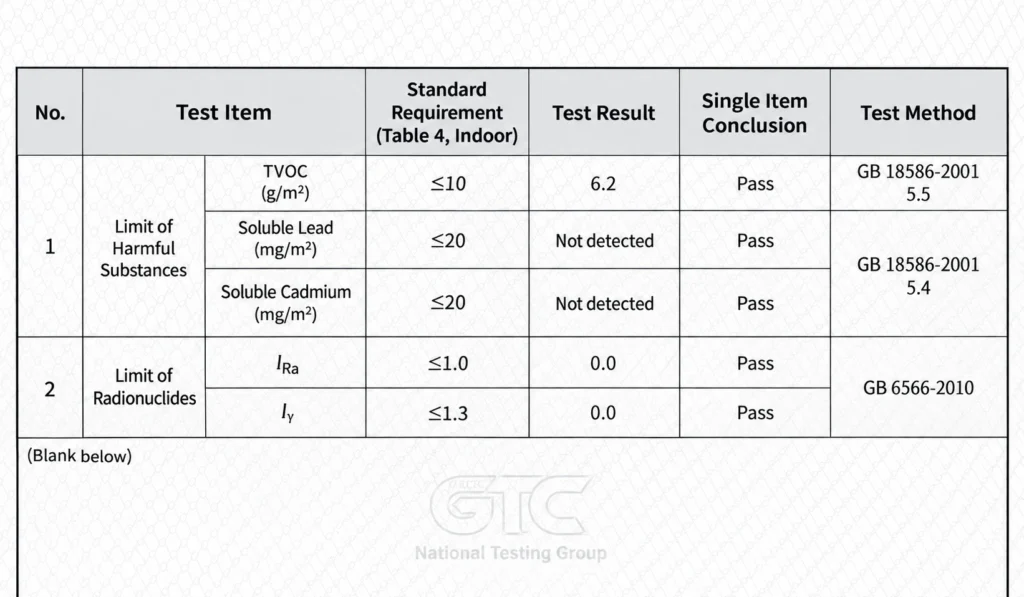
| Key Test Item | Test Result |
|---|---|
| TVOC | 6.2 g/m² |
| Soluble Lead | Not detected |
| Soluble Cadmium | Not detected |
YITA can provide available technical and test documentation for specific products when required for project evaluation.
Fire Performance
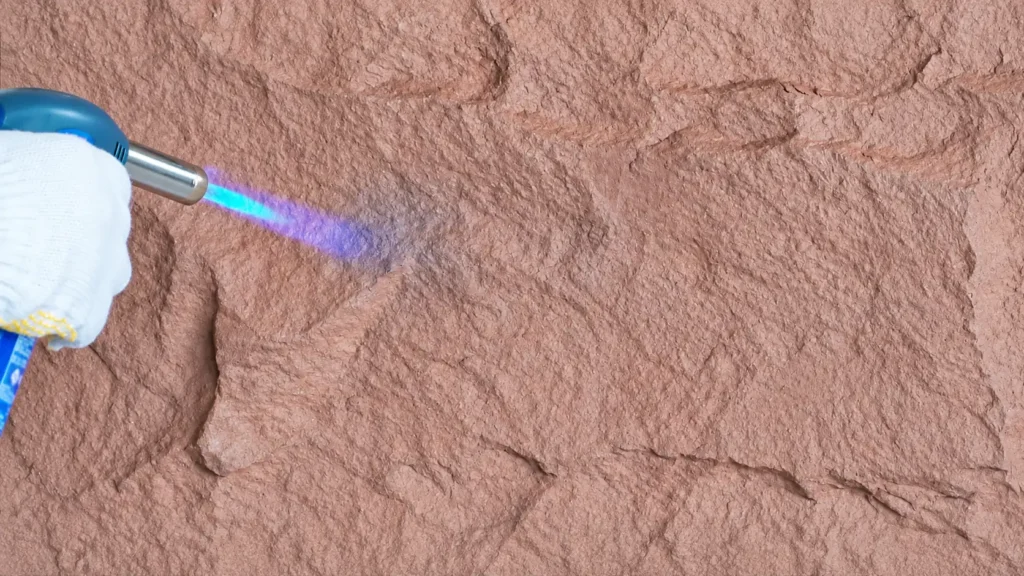
Fire performance is an important consideration for commercial interiors, hotels, public buildings and selected exterior applications.
Selected YITA flexible stone products have undergone combustion performance testing. According to the corresponding test report, the tested sample met the specified requirements for furnace temperature rise, mass loss, sustained flaming time and gross calorific value.
The report identifies the tested product under A(A1) combustion performance, based on the referenced GB/T test methods.
Test results and applicable certificates should be confirmed for the specific product and project requirements before specification.
What Affects Flexible Stone Sheet Pricing?
The price of a flexible stone sheet can vary depending on:
- Texture
- Thickness
- Panel size
- Surface process
- Order quantity
- Packaging requirements
For example, products in the Luxury Gilded Collection may involve more complex surface processes and therefore have a different cost structure from standard textures.
For an accurate quotation, it is best to confirm:
Texture + Size + Quantity + Application
10 Things to Confirm Before Buying Flexible Stone Sheets
Before placing an order, we recommend confirming:
- Material Composition
- Panel Size
- Thickness
- Weight per Square Meter
- Flexibility
- Interior / Exterior Suitability
- Recommended Adhesive
- Substrate Requirements
- Available Test Documentation
- Physical Samples
For larger projects, product images alone are rarely enough to make a final material decision.
Physical samples can help buyers evaluate the actual color, texture, thickness, surface feel and flexibility before ordering.
Conclusion
When choosing a flexible stone sheet, appearance and price are only part of the decision.
The right product should also match the project’s design, substrate and installation conditions.
Planning a project?
Send YITA your:
application area, preferred texture, required size and estimated quantity.
We can help recommend suitable products and provide:
samples, specifications and available technical documentation
to support your material evaluation before ordering.