


-
Call Now +86 13693186054
-
Any Questions info@yitaflexstone.com
Flexible Stone for Bar Projects | Linear-textured & Singapore Project

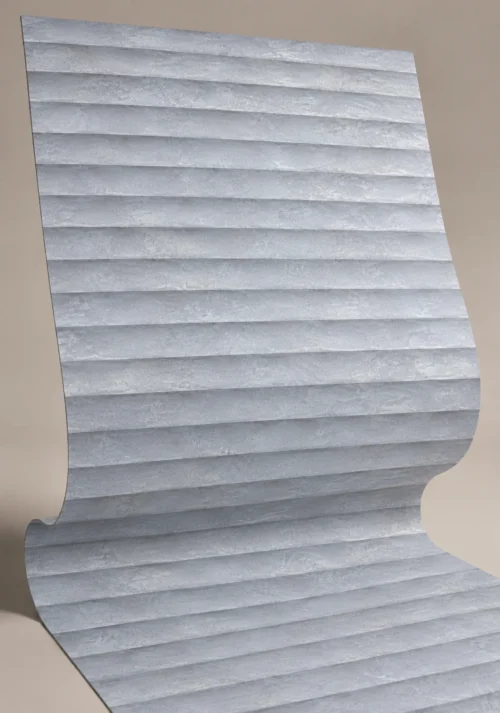
Bar and wine bar design demands atmospheric, tactile wall finishes that balance creative aesthetic vision, structural limits, long-term durability and construction timelines. Traditional heavy stone tiles, concrete panels and rigid cladding often restrict organic curved forms, especially for hospitality venues that rely on texture and directional lighting to shape guest experience. Flexible stone for bar projects gives interior architects a lightweight, bendable cladding option to create immersive spaces, both inside dining booth zones and external facades. The Wine Nuts wine bar in Singapore demonstrates how linear-textured flexible stone delivers continuous ribbed texture across curved columns, interior accent walls and overhanging exterior facade under tropical humid conditions.
View more featured case studies →
Project Profile – Wine Nuts Singapore Wine Bar
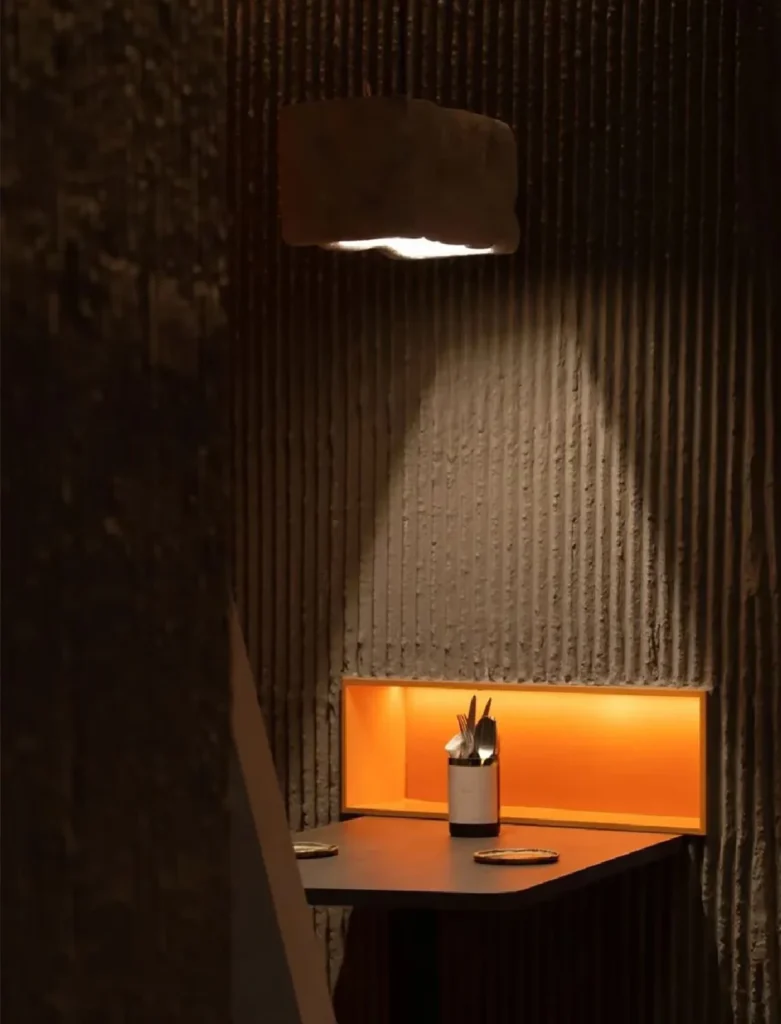
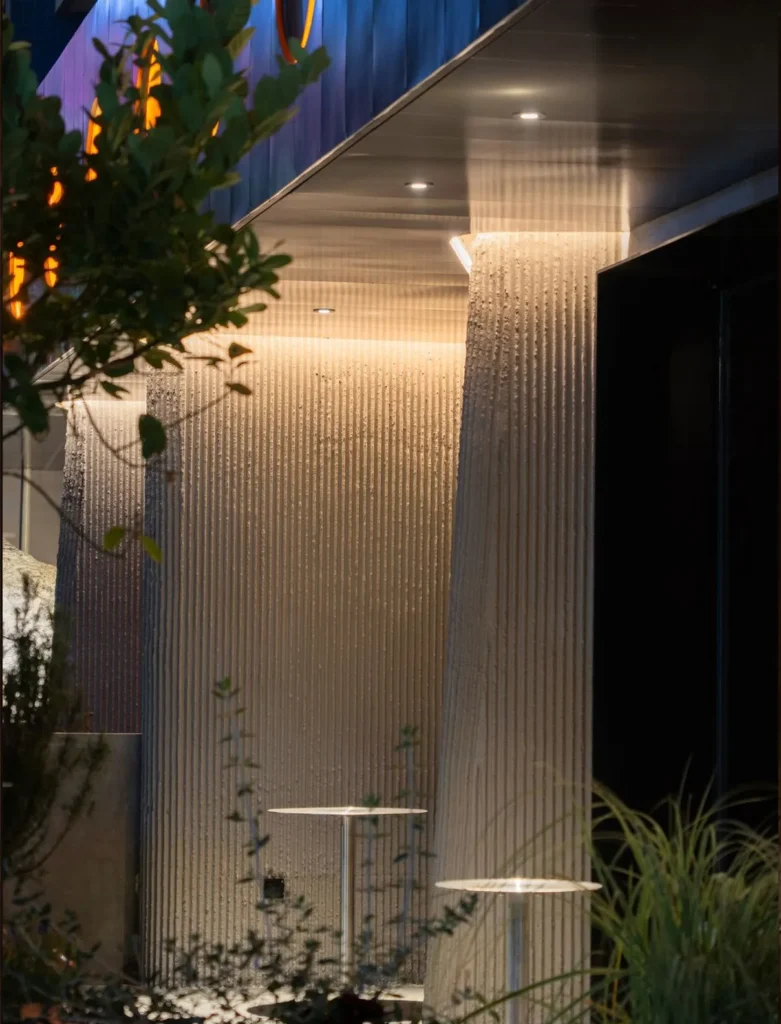
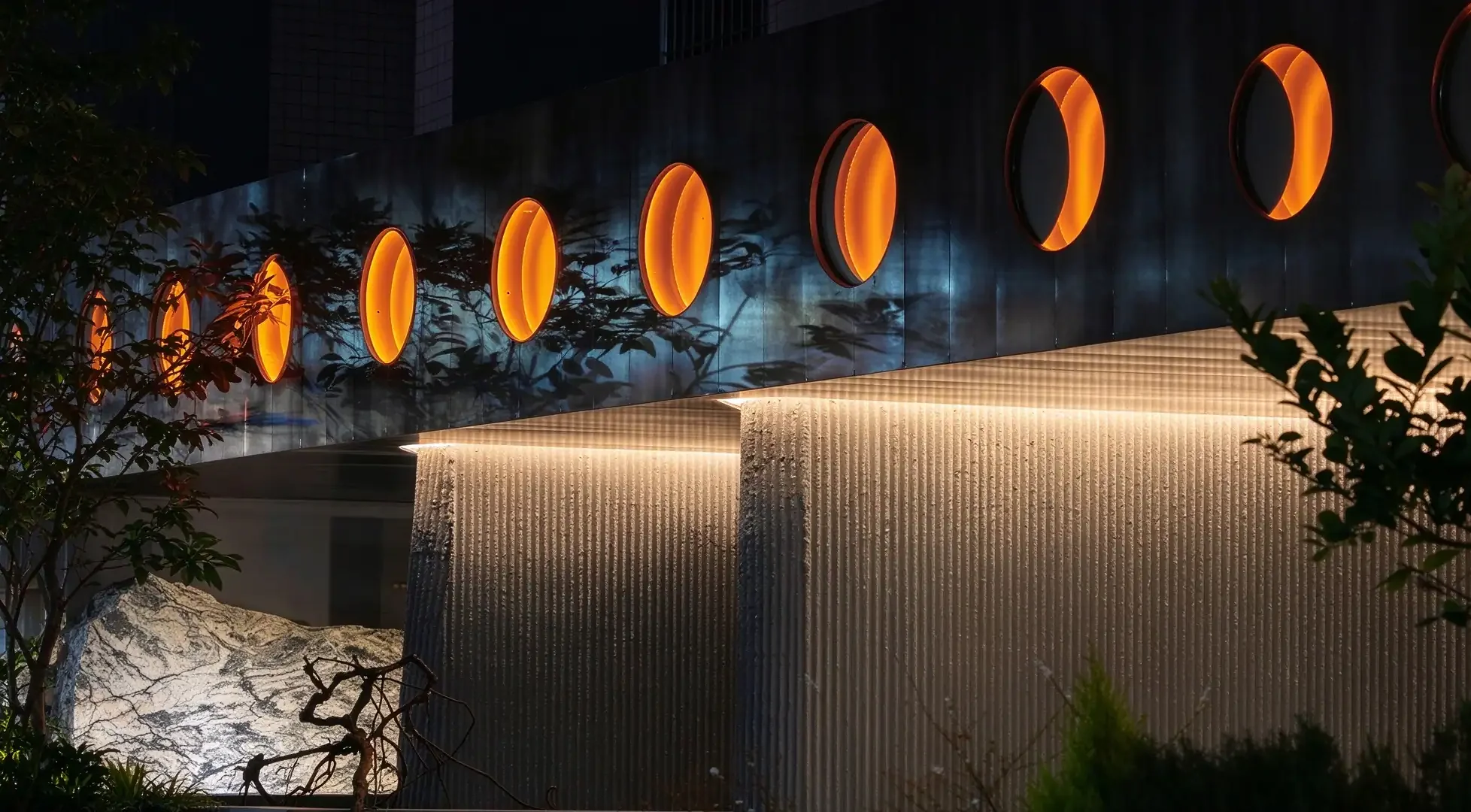
Wine Nuts is a boutique hospitality venue in Singapore, designed with a moody, atmospheric dining concept. The design team sought a consistent linear ribbed texture to unify indoor private booth spaces and the outdoor night facade.
- Location: Singapore-Johor Bahru
- Material: Linear-textured flexible stone veneer (MCM)
- Scope: Interior feature walls, curved structural columns, exterior facade cladding
- Project type: New wine bar fit-out
- Design objective: Create cohesive ribbed stone texture wrapping curved architectural elements, while meeting tropical exterior performance requirements and preserving subtle texture detail under warm accent lighting.
Unlike standard flat wall finishes, this design required the same linear grain to flow continuously around rounded columns without visible segmented joints. The venue’s lighting scheme is built to cast shadows along vertical rib lines, so the surface texture needed fine, consistent relief to catch low-level warm lighting.
Core Design & Construction Challenges for Bar Cladding
Hospitality bar projects carry unique constraints beyond standard interior decoration, and this Singapore project brought four tightly linked challenges.
First, the architectural concept required linear texture to wrap seamlessly around curved columns. Natural stone or rigid concrete panels cannot bend, forcing many segmented cuts and visible seams that break the continuous ribbed visual effect. Heavy traditional stone also adds large dead load, requiring expensive structural reinforcement for overhang facade sections.
Second, Singapore’s hot, humid tropical climate imposes strict demands for exterior wall cladding. Outdoor surfaces must resist high humidity, rain and UV exposure, while interior walls must withstand regular spills, frequent cleaning and heavy foot traffic typical in a wine bar.
Third, lighting was central to the design. In dim bar environments, subtle wall texture becomes the main visual feature. Smooth paint or plain panels would fail to create the layered shadow effect the designer wanted.
Fourth, commercial hospitality fit-outs usually operate under tight construction schedules. Material cutting, handling and installation needed to be fast, with minimal on-site waste and simple substrate bonding.
Solution: Linear-textured Flexible Stone for Bar Interior & Facade
The design team selected linear-textured flexible stone veneer as the unified wall finish for both interior dining zones and exterior facade.
The flexible sheet construction allows the linear ribbed pattern to wrap continuously around curved columns, maintaining grain alignment without cutting the texture into small separate panels. It eliminates the disjointed segmented look of rigid stone cladding.
At roughly 85–90% lighter than natural stone, flexible stone removes the requirement for costly structural reinforcement on overhang facade sections. Sheets can be bonded onto properly prepared cementitious substrates with suitable adhesive mortar, enabling straightforward installation and reducing heavy mechanical fixing work.
The linear texture is engineered with consistent vertical ribs. When lit by warm accent lighting inside the bar, the surface generates soft shadow depth, building the immersive moody atmosphere that defines the wine bar. For the exterior facade, the material formulation offers UV stability and moisture resistance suitable for Singapore’s humid coastal climate.
The material can be trimmed on-site with basic cutting tools. This simplifies custom fitting around recessed niches, openings and curved forms, shortening construction time and lowering material waste.
Project Outcome & Design Value for Bar Projects
The finished Wine Nuts wine bar achieves the designer’s original vision, with linear-textured flexible stone forming a continuous visual language from interior dining booth walls through curved columns to the exterior night facade. From a design perspective, the linear ribbed texture becomes the signature architectural feature of the venue. Warm lighting accentuates the tactile grain, creating a sophisticated, intimate atmosphere for wine and dining guests. From a construction standpoint, flexible stone avoided extra structural upgrade costs for curved columns and overhang facade. Fast installation helped the project stay on schedule for commercial opening. The surface is stain-resistant and easy to wipe clean, suitable for daily high-traffic bar operation. This Singapore project serves as a strong reference showing how flexible stone for bar projects solves the common conflict between bold curved hospitality design, structural load limits and exterior weather durability. It proves linear-textured flexible stone is a practical finish choice for wine bars, cocktail lounges and restaurant fit-outs, for both interior feature walls and external facades.
FAQ
Does MCM flexible stone meet fire safety requirements for use in public spaces?
Yes. MCM flexible stone is available with certified fire performance ratings to suit public commercial premises including bars, restaurants and lounges. It can achieve Class A / A2 fire classification compliant with international standards such as EN 13501-1. Always request the official fire test report from the manufacturer for local building code approval before installation on your bar or public space project.
Learn more about MCM Flexible Stone →
Is structural reinforcement required when using MCM flexible stone for partition walls?
Generally, extra structural reinforcement is NOT required. MCM flexible stone is ultra-lightweight compared with natural stone or thick ceramic tiles, adding minimal dead load to standard partition substrates. You only need to ensure the base partition surface is solid, flat and stable. For unusual thin or damaged partition boards, check substrate integrity prior to installing flexible stone for bar projects.
Learn more about Installation Details →
How should light-colored flexible stone walls be cleaned after being stained by spilled liquids or other contaminants?
Clean spills on light‑toned MCM flexible stone immediately. First wipe excess liquid with a soft lint‑free cloth. Use mild neutral detergent mixed with clean water, gently wipe the stained area, then rinse and dry. Avoid strong acidic, alkaline or abrasive cleaners which may mark pale surfaces. For bar environments, routine prompt cleaning greatly reduces permanent staining risks.
Will frequent wiping and cleaning of MCM flexible stone walls cause them to fade or wear out over time?
Under normal regular cleaning with mild cleaners, MCM flexible stone maintains its colour and texture and will not quickly fade or wear. The surface pigment is integrated during production. Heavy abrasives, harsh chemicals or persistent scrubbing can gradually damage the finish. This makes it a durable cladding choice for high-traffic bar interiors that require frequent wiping.
Conclusion
Creating a standout atmosphere in wine bars and cocktail bars depends heavily on unique wall textures, but premium traditional cladding often struggles with curved shapes, heavy dead load and complex construction. Linear-textured MCM flexible stone makes flowing curved designs achievable with lighter weight and simpler installation. The Wine Nuts Singapore wine bar project perfectly illustrates how flexible stone for bar projects can create unified tactile aesthetics for bar feature walls and curved bar fronts. Architects, interior designers and commercial contractors planning hospitality fit-outs can contact our team to get material samples, technical specifications, certification documents and project references for your next bar cladding project.