
-
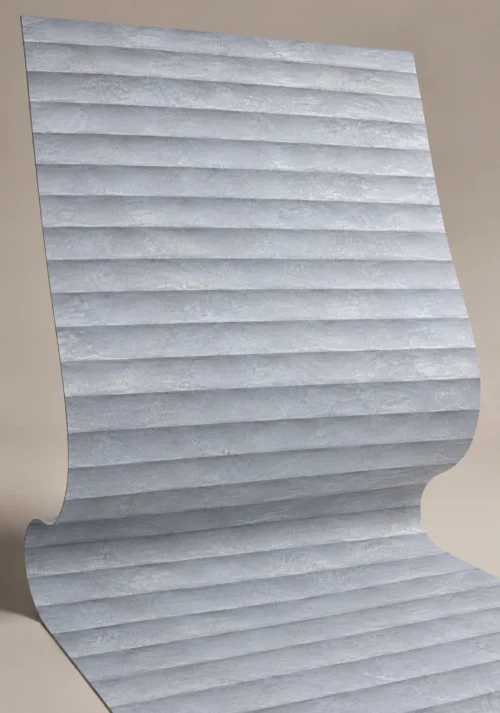
Stone Metal Harmony
$35.00 -

Metallic Silk
$35.00

-
Call Now 578-393-4937
-
Any Questions cosmetics@mail.com
Choosing the Right Adhesive for Flexible Stone: Substrates, Applications and Common Issues
Bychloe
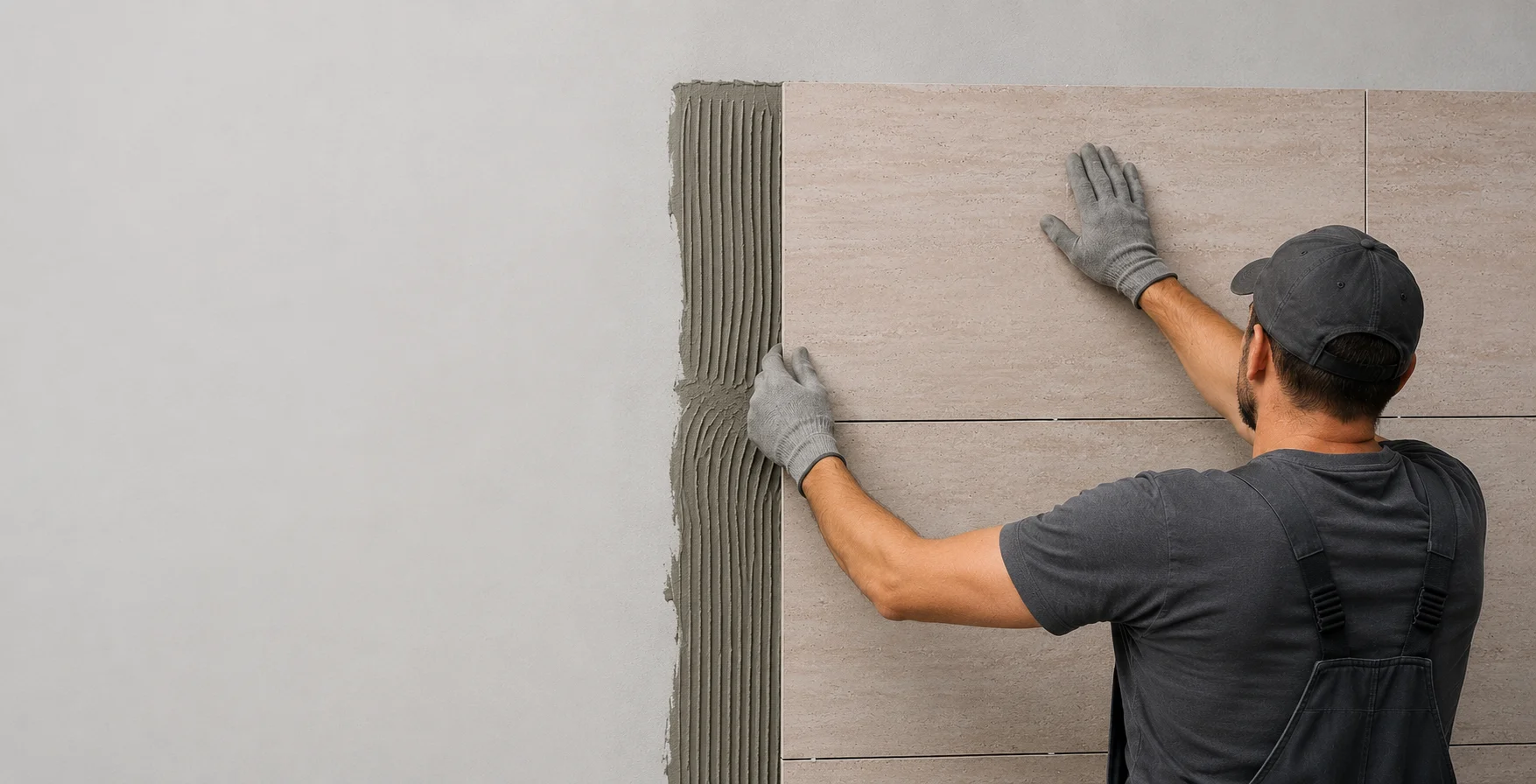
Flexible stone is a lightweight and adaptable architectural finishing material widely used for interior walls, commercial spaces, villa facades and renovation projects.
Compared with traditional stone materials, flexible stone offers several advantages:
- Lightweight structure
- Easy handling and installation
- Flexible application options
- Suitable for various architectural surfaces
Especially in renovation projects, flexible stone can often be installed over existing surfaces, reducing the need for extensive demolition and helping improve construction efficiency.
However, the long-term performance of flexible stone depends not only on the material itself, but also on:
Substrate conditions, adhesive selection and proper installation methods.
Choosing the right adhesive system is an important step in achieving a stable and durable application.
Why Does Flexible Stone Require the Right Adhesive System?
Although flexible stone is lightweight and thin, it still requires a reliable substrate and suitable bonding system.
In practical applications, some installation issues may occur, such as:
- Blistering
- Hollow areas
- Edge lifting
- Partial detachment
In many cases, these problems are related to substrate preparation and installation details rather than the material itself.
Common causes include:
- Dust, oil or loose materials remaining on the substrate
- Uneven surfaces causing insufficient contact
- Insufficient adhesive coverage
- Lack of proper pressing after installation
- Poor joint treatment in exterior applications
Therefore, flexible stone installation is not only about choosing an adhesive. It is also about ensuring:
A suitable substrate, a compatible adhesive system and proper installation practices.
What Adhesive Is Commonly Used for Flexible Stone?
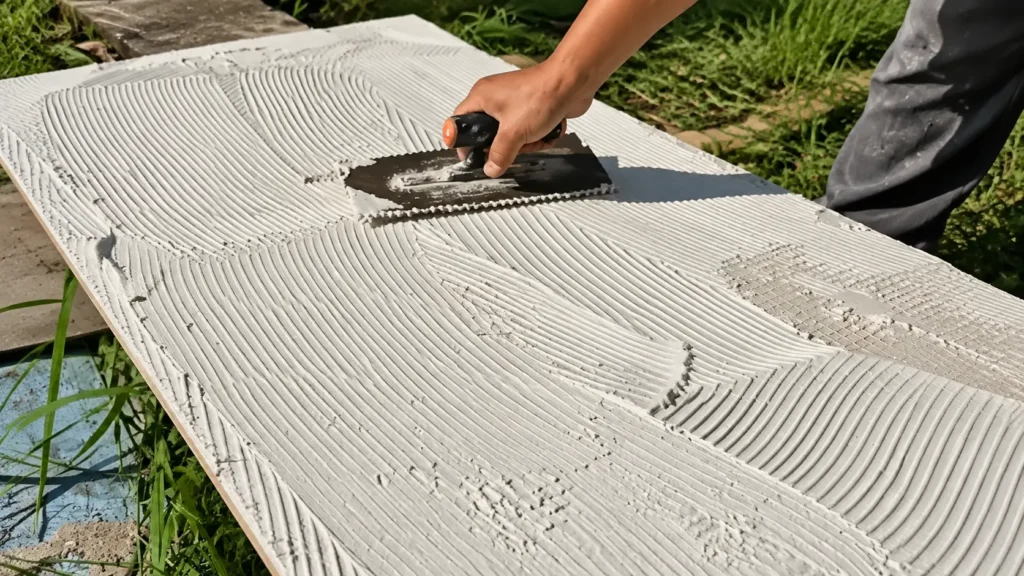
For flexible stone applications, a recommended solution is:
High-strength nanoadhesive for flexible stone
This specialized adhesive system is developed for flexible stone installation and helps create a stable connection between the decorative surface and different substrates.
Its main functions include:
- Providing reliable bonding strength
- Improving adhesion between the substrate and the decorative surface
- Supporting lightweight architectural materials
- Reducing installation risks during long-term use
When selecting an adhesive, the following factors should be considered:
- Substrate type
- Application environment
- Material compatibility
- Long-term durability
For some flat and stable cement-based substrates, suitable high-performance tile adhesive systems may also be considered depending on project requirements.
Flexible Stone Applications on Different Substrates
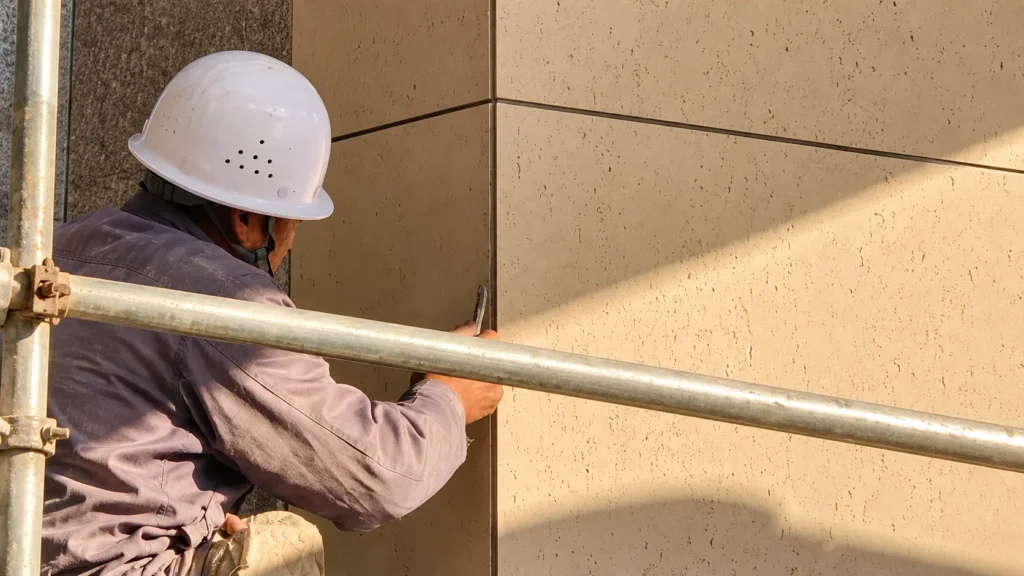
Flexible stone can be applied to various building surfaces. However, different substrates require different preparation methods.
1. Cement Walls, Concrete and Cement Boards
These are among the most common substrates for flexible stone applications.
Before installation, the substrate should be:
- Strong
- Flat
- Dry
- Clean
Typical structure:
Stable Substrate
↓
High-strength nanoadhesive for flexible stone
↓
Flexible Stone Veneer
If the substrate has:
- Loose areas
- Surface weakness
- Significant defects
it should be repaired before installation.
2. Installing Flexible Stone Over Existing Tiles
Flexible stone is highly suitable for renovation projects.
When existing tiles are firmly bonded and properly prepared, they can be used as a base for new installation.
Before application, the existing tile surface should be:
- Securely bonded
- Free from major hollow areas
- Clean
- Free from oil contamination
- Stable
Typical structure:
Existing Tiles
↓
Suitable Adhesive System
↓
Flexible Stone Veneer
If existing tiles are loose, unstable or severely uneven, the substrate should be repaired before installation.
3. Special Substrate Applications
Flexible stone can also be applied to certain special surfaces, including:
- Wood-based panels
- Plywood
- Metal sheets
- Aluminum panels
- Glass surfaces
These substrates usually have different characteristics from cement-based walls, such as:
- Lower water absorption
- Smoother surfaces
Before installation, it is important to:
- Clean the surface
- Remove contaminants
- Ensure substrate stability
- Apply suitable surface treatment when required
For special substrates, the adhesive system should be selected according to the surface characteristics.
Adhesive Systems for Exterior Flexible Stone Applications
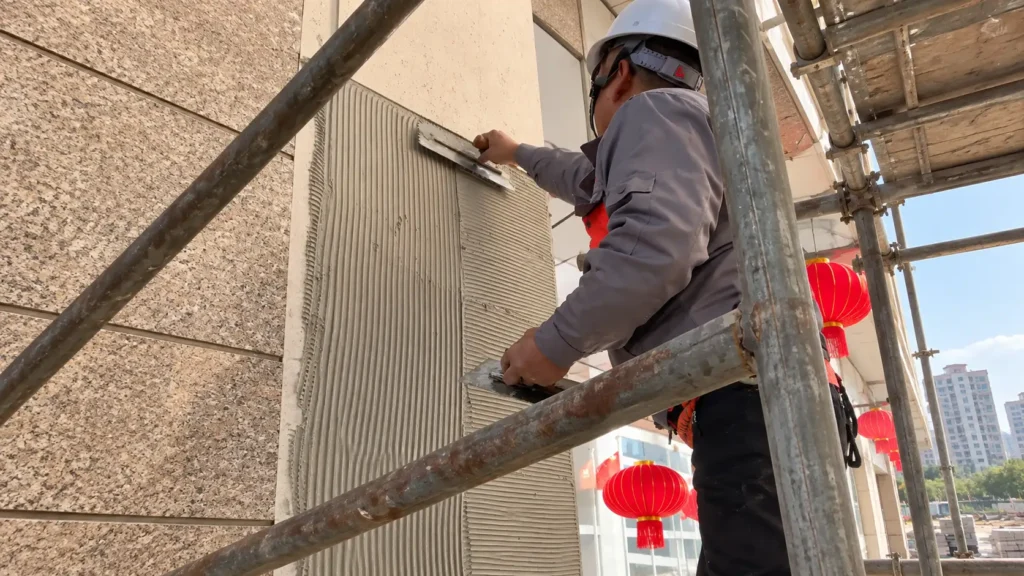
Exterior applications are more demanding than interior projects because they are exposed to:
- Temperature changes
- Rain
- UV exposure
- Wind forces
- Minor substrate movement
Therefore, exterior flexible stone projects usually require an adhesive system with good durability and flexibility.
Common solutions include:
- High-strength nanoadhesive for flexible stone
- Exterior-grade flexible adhesive systems
- Structural bonding systems selected according to substrate conditions
Exterior projects should consider:
- Bonding strength
- Flexibility
- Weather resistance
- Long-term stability
Typical structure:
Exterior Substrate
↓
Primer (if required)
↓
High-strength nanoadhesive for flexible stone
↓
Flexible Stone Veneer
↓
Weather-resistant Joint Sealant
The final adhesive selection should be based on:
- Substrate type
- Building environment
- Local construction requirements
- Product technical specifications
Application in Australian Lightweight Building Systems
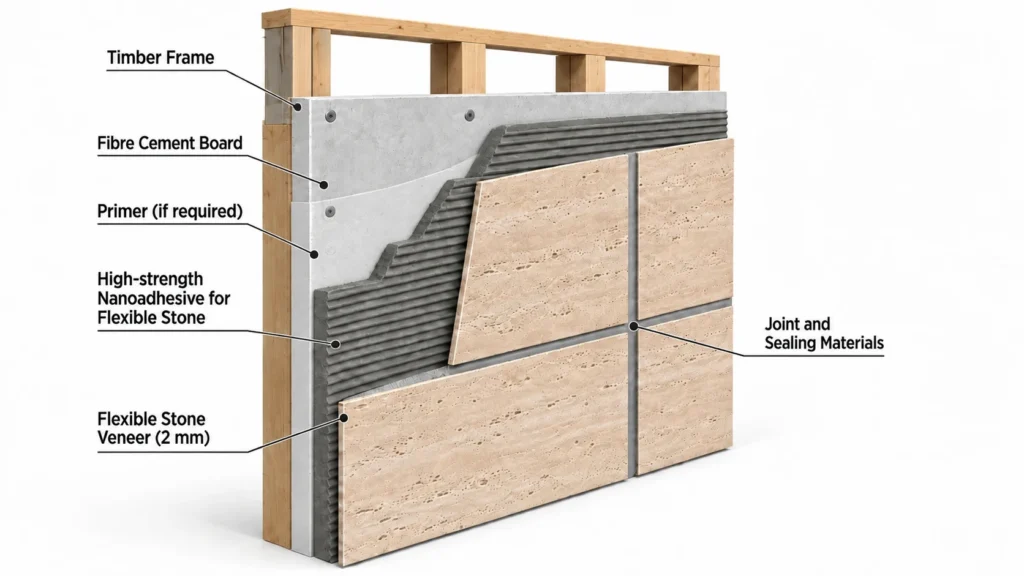
In markets such as Australia and New Zealand, many residential buildings use lightweight construction systems, where timber frames and fibre cement boards are common building components.
Flexible stone should not be directly installed onto untreated timber structures. A stable and suitable substrate is required to ensure reliable adhesion and long-term performance.
A typical installation system may include:
Timber Frame
↓
Fibre Cement Board
↓
Primer (if required)
↓
High-strength nanoadhesive for flexible stone
↓
Flexible Stone Veneer
↓
Joint and Sealing Materials
This approach creates a stable surface for flexible stone installation while allowing the lightweight wall structure to work together with the decorative finish system.
Common Installation Issues with Flexible Stone
Why Do Blistering or Hollow Areas Occur?
Common causes include:
Insufficient Substrate Preparation
For example:
- Dust remaining on the surface
- Surface contamination
- Weak substrate areas
These issues may reduce bonding performance.
Insufficient Adhesive Coverage
If the adhesive is not applied evenly, it may result in:
- Poor contact areas
- Air gaps
- Later blistering
Insufficient Pressing After Installation
During installation, it is important to ensure proper contact between:
Flexible Stone → Adhesive → Substrate
This helps improve overall bonding performance.
How to Choose the Right Flexible Stone Adhesive System?
The adhesive solution should be selected based on:
Substrate type + Application environment + Project requirements
Reference:
| Application | Key Considerations |
|---|---|
| Cement walls and concrete | Substrate stability and bonding performance |
| Existing tile renovation | Condition of the original surface |
| Wood, metal and glass | Surface preparation and compatibility |
| Exterior projects | Weather resistance and long-term durability |
Conclusion
The performance of flexible stone depends not only on the material itself, but also on the overall installation system.
Selecting suitable substrate preparation methods, adhesive solutions and installation practices can help flexible stone achieve stable and durable performance in different applications.
Whether used for:
- Interior spaces
- Commercial projects
- Villa facades
- Renovation works
a proper installation approach allows flexible stone to deliver lightweight, flexible and visually appealing architectural finishes for modern buildings.