
-
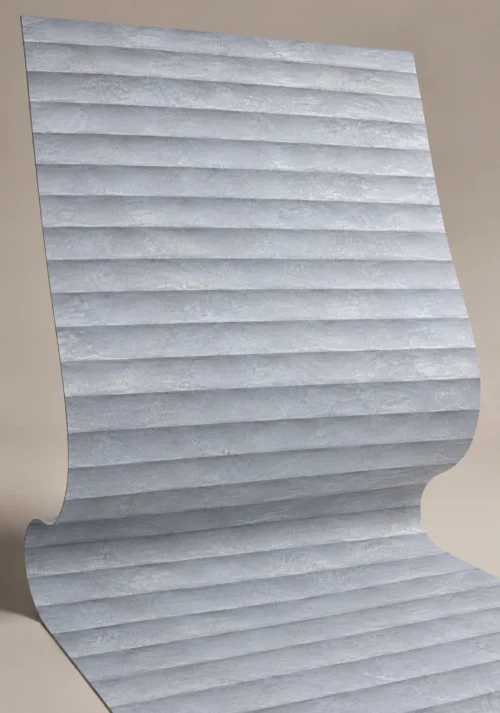
Stone Metal Harmony
$35.00 -
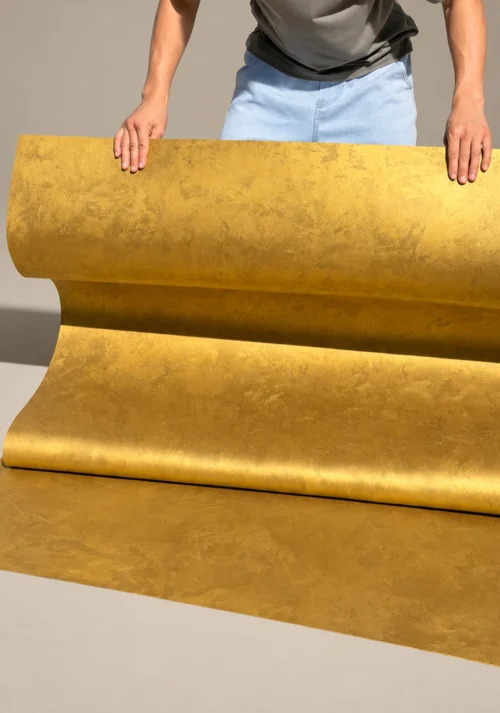
Metallic Silk
$35.00

-
Call Now 578-393-4937
-
Any Questions cosmetics@mail.com
What Is Flexible Stone Made Of? Materials, Structure and Manufacturing Process
Bychloe
Flexible stone can reproduce a wide range of architectural surfaces, including travertine, slate, rammed earth and wood grain, while remaining relatively thin, lightweight and flexible.
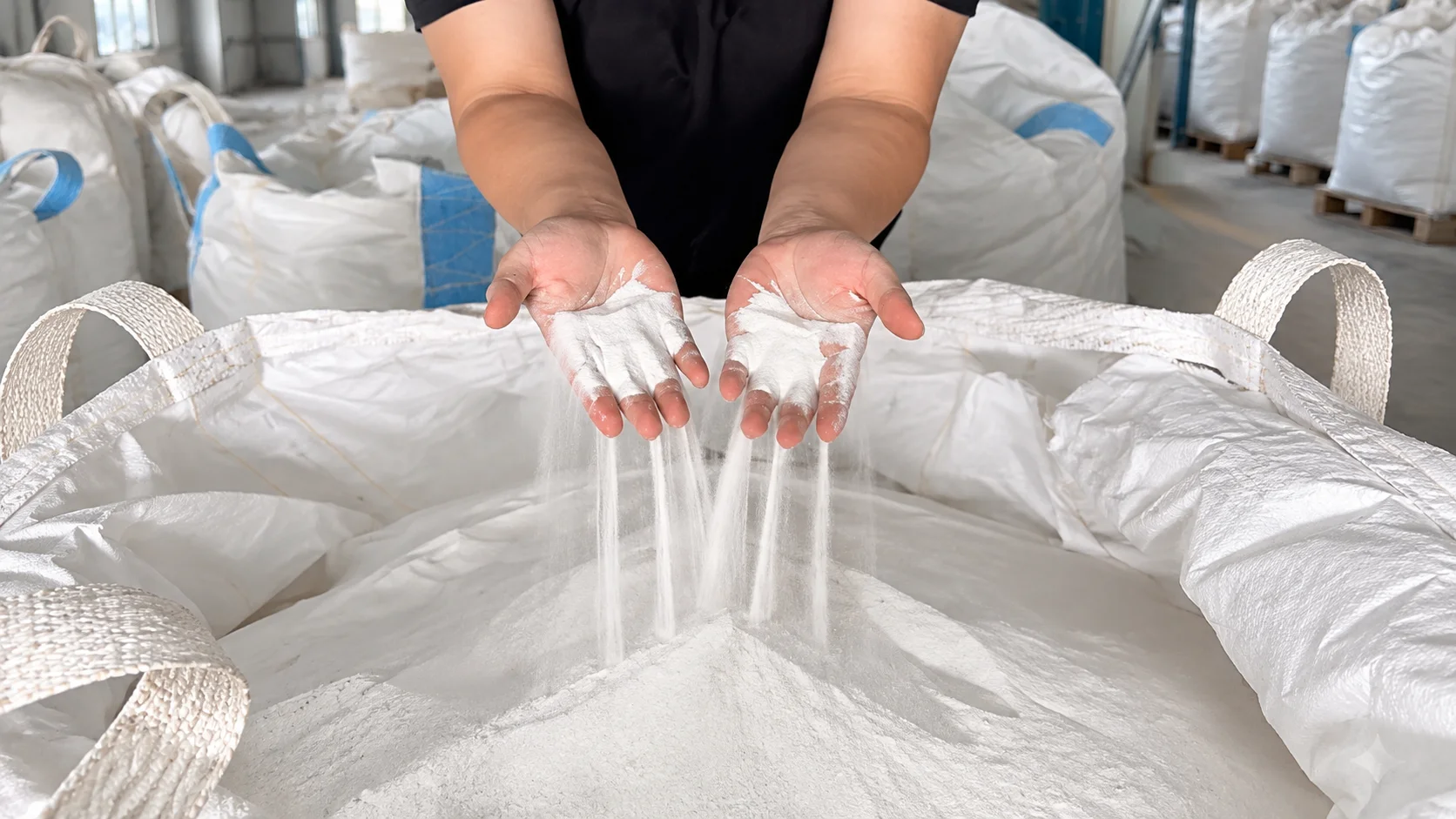
YITA’s mineral-based flexible stone is primarily made from quartz sand and other inorganic minerals, combined with a binding system and reinforcement layers. The final surface is then created through molding, coloring and finishing processes.
Not every product sold as Flexible Stone uses the same material system. Some products are made by peeling a thin layer from natural slate or sandstone and bonding it to a backing. Others are manufactured from mineral-based composite materials. This article focuses on the second type.
What Is Flexible Stone Made From?
The exact formulation varies between textures and collections, but mineral-based flexible stone generally contains several key groups of materials.
Quartz Sand and Inorganic Minerals
Quartz sand and other mineral ingredients form an important part of the panel body.
They provide the basic structure and natural mineral character of the material. Particle size, formulation and forming methods can also influence how fine, sandy or textured the finished surface appears.
Binding System
Mineral particles need to be combined with a suitable polymer or emulsion-based binder to form a stable sheet.
The binding system contributes to the material’s strength, flexibility and stability during production, handling and installation.
Pigments and Coloring Materials
Color can be introduced at different stages of production through material pigmentation, surface coloring, digital printing or decorative finishing.
As a result, the same base texture can be produced in different colors and visual styles.
Material Composition of YITA Flexible Stone
YITA mineral-based flexible stone uses a composite system in which inorganic minerals, including silicon dioxide, make up the main part of the formulation. Small amounts of polymer and other supporting ingredients are added to help the panel maintain structural stability while retaining a degree of flexibility.
As an example, the technical data for one YITA product lists the following composition:
| Main Component | Content |
|---|---|
| Silicon Dioxide | 76.69% |
| Calcium Oxide | 11.14% |
| Acrylic Polymer | 4.90% |
| Aluminium Oxide | 4.50% |
| Magnesium Oxide | 2.06% |
| Other minerals and auxiliary ingredients | 0.71% |
Formulations may vary between textures and product collections. The exact composition should be confirmed using the technical data for the selected product.
How Is Flexible Stone Structured?
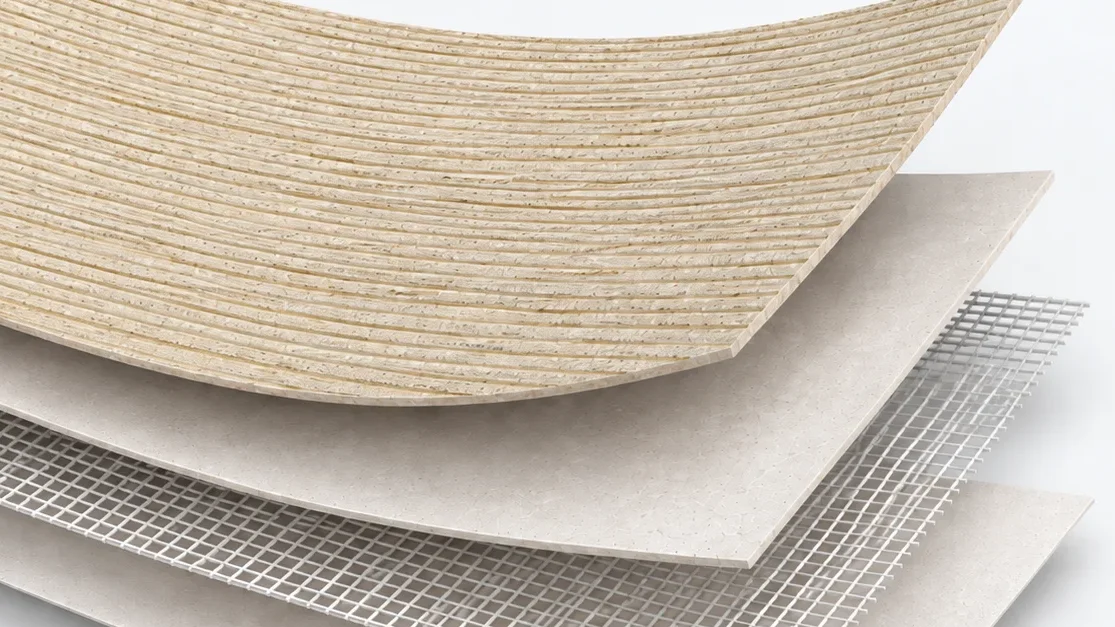
A typical YITA panel can be understood as a combination of several functional layers.
Decorative Surface Layer
This is the visible surface that provides the final color, texture and tactile finish.
Mineral Composite Layer
This forms the main body of the panel and consists of quartz sand, inorganic mineral materials and related composite ingredients.
Fiberglass Mesh Reinforcement
Some products include fiberglass mesh within the structure to improve stability and tensile strength and to support the panel during handling, processing and installation.
Bottom Reinforcement Layer
The backing further stabilizes the panel and provides a suitable surface for bonding during installation.
The exact construction may vary depending on the texture, thickness and product design.
Is the Surface Texture Printed?
Usually, no.
The physical relief is mainly created using textured molds.
During production, the mineral composite material is applied, sprayed or spread onto a mold that already contains the required surface pattern. After forming and curing, the three-dimensional structure is transferred to the panel surface.
Examples include:
- travertine cavities
- linear grooves
- stone-like relief
- rammed earth layers
- raised wood grain
These are physical surface textures rather than flat printed images.
How Are the Colors and Patterns Created?
Texture and color are usually created in separate stages.
After the physical texture has been formed, selected YITA products are further colored using inorganic digital printing. This process can add tonal variation, natural-looking color differences and more detailed surface patterns.
A simple way to understand the process is:
The mold creates the physical texture, while digital coloring adds part of the color and pattern.
Not every collection uses the same finishing method. Some products rely mainly on material pigmentation and molded texture, while others use additional digital coloring. More decorative surfaces, such as the Luxury Gilded Collection, may also include hand-applied finishing.
What Is the Difference Between Inorganic Digital Printing and UV Printing?
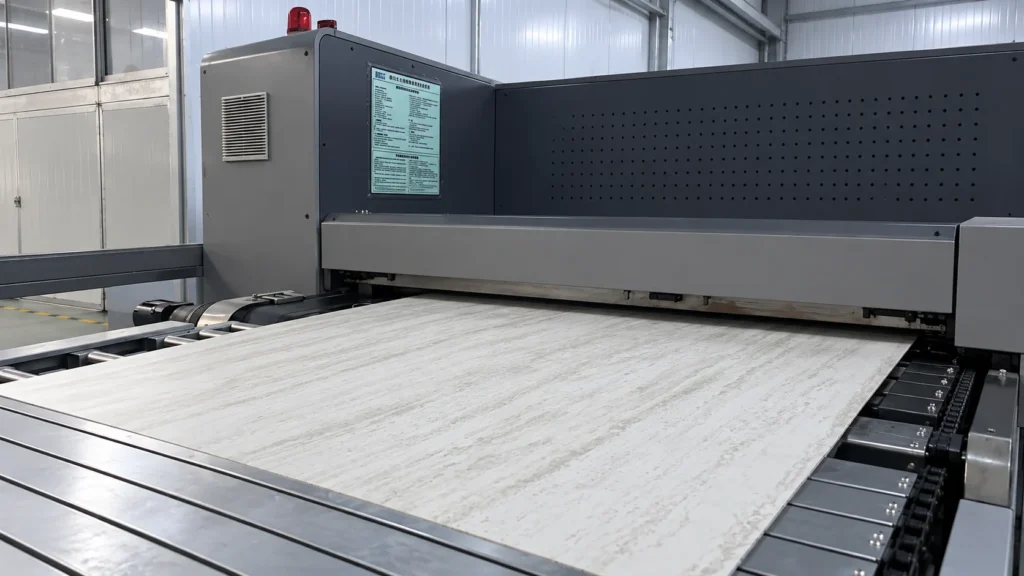
Decorative wall materials can be produced using different digital printing systems, including UV printing.
These methods differ in areas such as ink systems, compatibility with the substrate and long-term color performance. Selected YITA products use inorganic digital printing because it is better suited to mineral-based surfaces and applications where long-term appearance is important.
No coloring process, however, should simply be described as “never fading.”
Color stability can still be influenced by sunlight, climate, surface treatment and the installation environment. For exterior projects, the technical data and test results for the selected product provide a more useful basis for evaluation.
How Is Flexible Stone Manufactured?
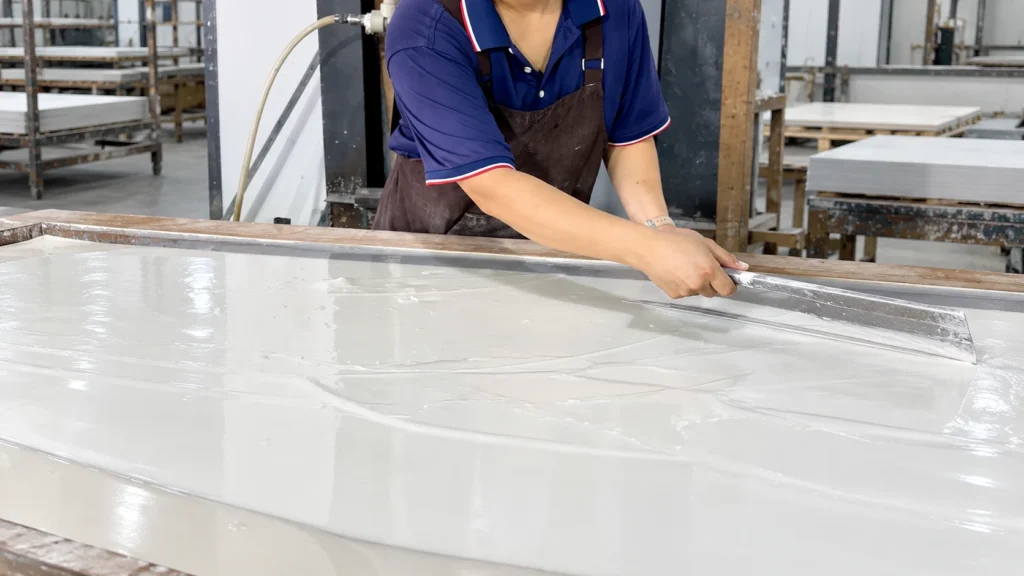
The exact process varies by texture, but a typical production sequence includes:
Raw material preparation → Mixing → Mold forming → Reinforcement mesh application → Filling and leveling → Curing or drying → Demolding → Coloring and surface finishing → Cutting → Inspection and packaging
The product is therefore more than a printed stone pattern applied to a thin sheet.
Final product quality depends on the material formulation, mold precision, reinforcement structure, curing conditions and finishing process.
Why Can Flexible Stone Bend?
Traditional natural stone is rigid and can crack when made very thin.
Mineral-based flexible stone uses a thinner composite structure together with reinforcing elements to provide a controlled degree of flexibility.
This makes the material suitable for applications such as columns, curved walls, selected curved surfaces and renovation projects where heavy stone finishes may not be practical.
However, flexible does not mean the material can be folded without limits.
As a general rule, thicker textures and deeper surface relief allow less bending. The installation method should therefore be selected according to the specific product.
Why Can Similar Products Perform Differently?
Two panels may look similar but still differ significantly in construction.
Factors such as the following can affect product consistency, installation performance and long-term use:
- raw materials and formulation
- thickness
- reinforcement structure
- mold precision
- curing process
- coloring method
- dimensional control
- quality inspection
This is why products with a similar appearance may still perform differently in real projects.
What Should Buyers Check Before Purchasing?
For architects, contractors, distributors and project buyers, the product name alone is not enough.
It is more useful to confirm:
- material composition
- available sizes and thicknesses
- how the surface texture is formed
- coloring method
- reinforcement structure
- bending capability
- fire and weather performance
- suitable substrates
- recommended adhesive system
- available test documentation
These details provide a clearer basis for deciding whether a specific product is suitable for a project.
Conclusion
Mineral-based flexible stone is not simply natural stone made thinner, nor is it just a stone pattern printed onto an ordinary sheet.
In YITA’s product system, the material is generally built around inorganic mineral ingredients, a binding system and reinforcement layers, then finished through molding, curing, coloring and surface treatment.
Product data also shows that inorganic mineral components make up the majority of the formulation. During manufacturing, molds create the physical three-dimensional texture, selected collections use inorganic digital printing for color and pattern, and fiberglass reinforcement helps strengthen the overall panel structure.
When specifying flexible stone for a project, appearance is only one consideration. Material composition, manufacturing method and verified technical performance should also be reviewed.