
-
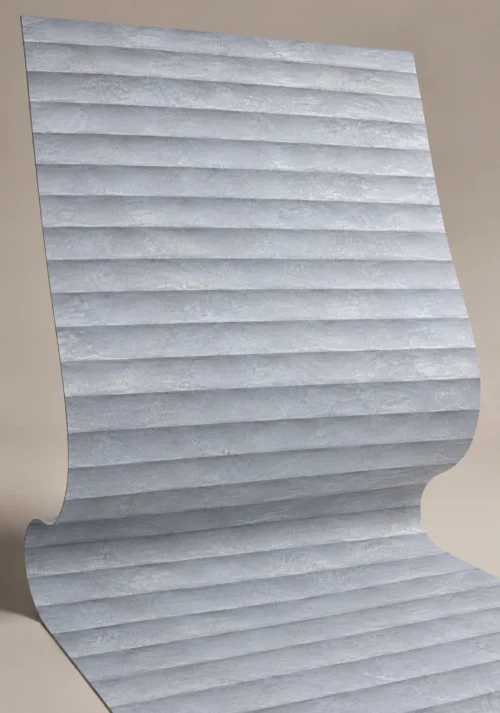
Stone Metal Harmony
$35.00 -
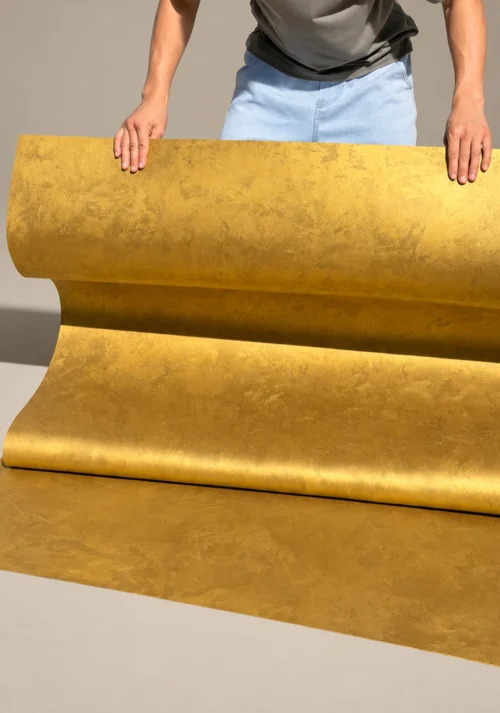
Metallic Silk
$35.00

-
Call Now 578-393-4937
-
Any Questions cosmetics@mail.com
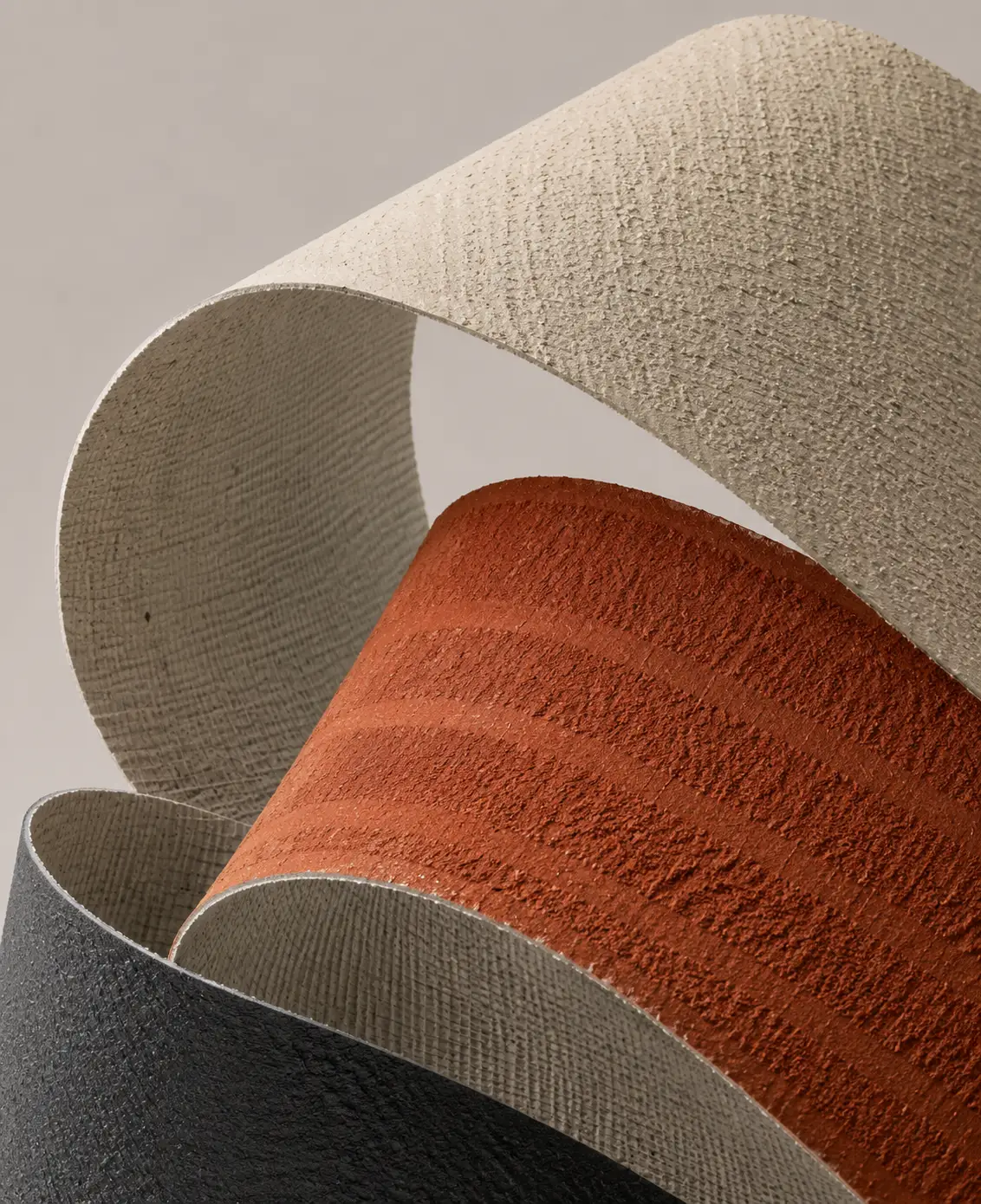
What Is Flexible Stone Veneer? Definition, Material, Features and Applications
Bychloe
Quick Answer
Flexible stone veneer is a thin, lightweight and flexible wall cladding made primarily from mineral-based materials combined with polymer binders and reinforcement layers.
It can reproduce the appearance of travertine, slate, sandstone, wood grain and other architectural textures while weighing much less than conventional stone.
Because of its thin structure and flexibility, it is commonly used for interior walls, commercial spaces, renovation projects, curved surfaces and exterior facades.
What Is Flexible Stone Veneer?
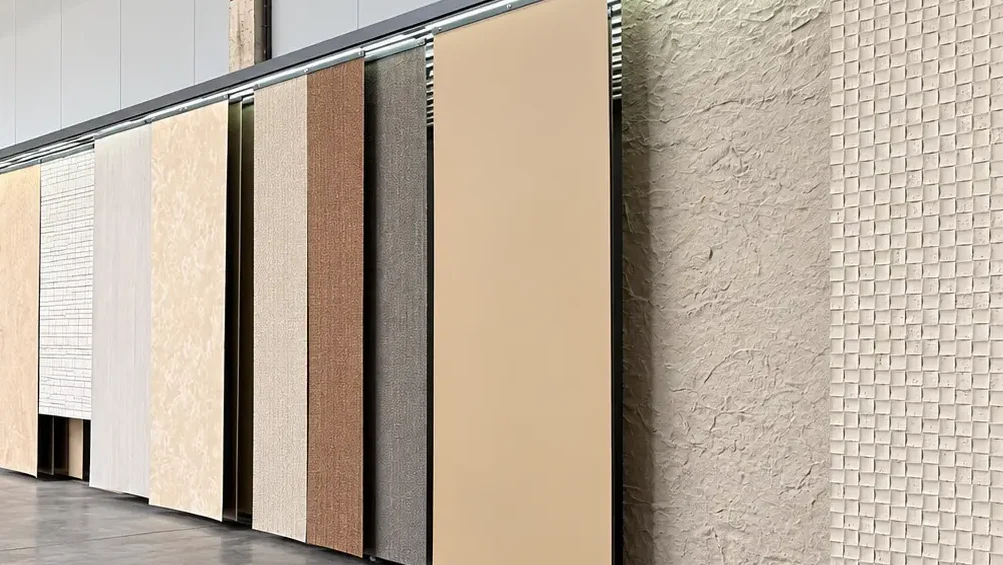
Flexible stone veneer is a thin decorative wall cladding designed to provide a stone-like appearance with less weight and greater flexibility than traditional stone slabs.
Unlike rigid natural stone or ceramic tiles, many flexible stone products can bend to a certain degree, depending on their thickness and surface texture.
This makes them suitable for applications such as:
- Curved walls
- Round columns
- Arched surfaces
- Feature walls
- Renovation projects
- Commercial interiors
- Building facades
Flexible stone can reproduce the appearance of materials such as travertine, slate, sandstone and other natural stone textures without requiring thick stone slabs.
In some markets, similar mineral-based flexible wall materials are also referred to as soft porcelain.
What Is Flexible Stone Veneer Made Of?
Flexible stone veneer is generally made from a combination of mineral-based raw materials, polymer binders, pigments and reinforcement materials.
Typical components may include:
- Natural mineral powder
- Quartz or silica-based materials
- Water-based polymer emulsion
- Inorganic pigments
- Fiberglass mesh
- Processing and curing additives
The exact formulation can vary depending on the manufacturer, texture, thickness and intended application.
For project buyers, it is better to review the actual technical datasheet and test reports for the specific product being specified.
How Is Flexible Stone Structured?
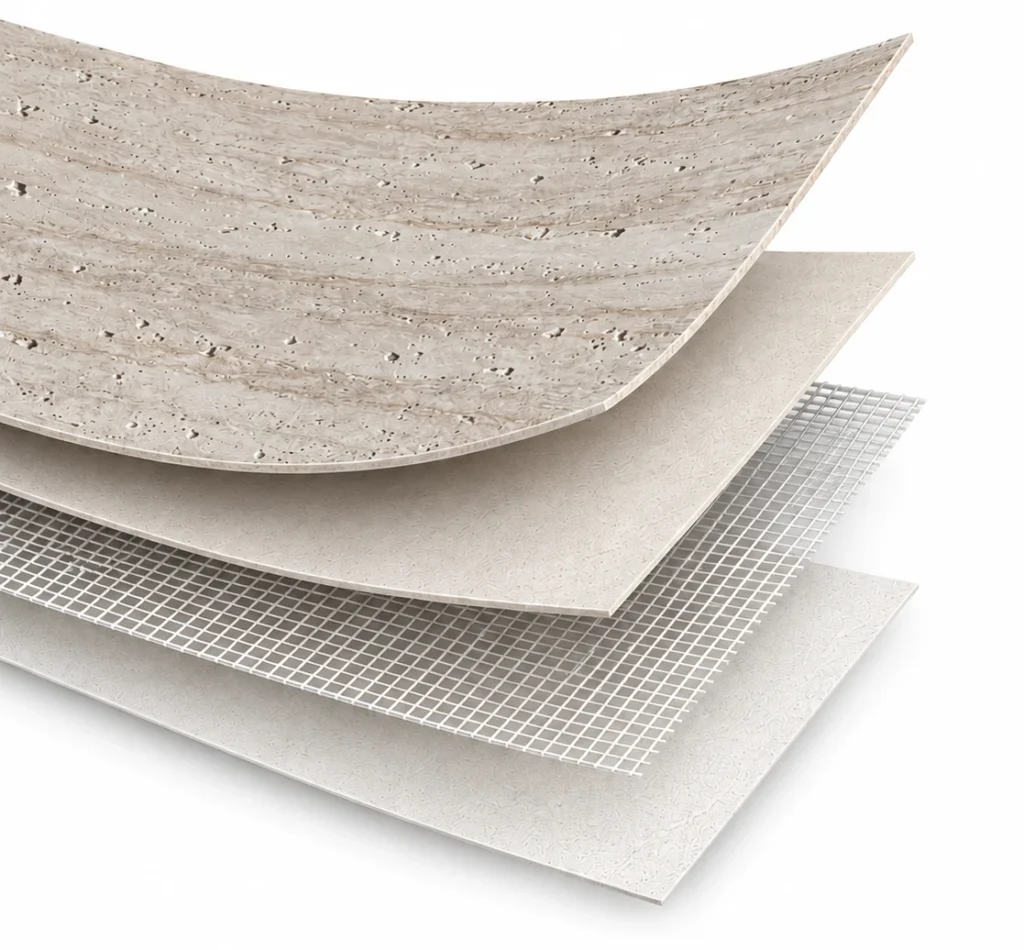
A typical flexible stone sheet may contain several functional layers:
Decorative Surface Layer
↓
Mineral Composite Layer
↓
Fiberglass Mesh
↓
Bottom Reinforcement Layer
The decorative and mineral composite layers create the surface appearance, while the fiberglass reinforcement helps improve stability and handling during installation.
What Are the Main Features of Flexible Stone Veneer?
Lightweight and Thin
One of the main advantages of flexible stone veneer is its relatively low weight compared with conventional stone cladding.
Many flexible stone products are only a few millimetres thick, helping reduce transportation weight and additional load on existing walls.
This can be particularly useful for:
- Renovation projects
- High-rise interiors
- Commercial fit-outs
- Large wall surfaces
- Projects where heavy stone is difficult to install
Flexible for Curved Surfaces
Many flexible stone sheets can bend around curved architectural surfaces.
Typical applications include:
- Round columns
- Curved feature walls
- Arches
- Reception counters
- Decorative architectural elements
However, not every texture has the same flexibility.
Thin sheets with shallow textures are generally easier to bend, while thicker products and deep-relief surfaces are usually better suited to flat walls.
Natural Stone-Like Appearance
Flexible stone veneer can reproduce a wide range of architectural textures while maintaining a relatively thin structure.
Common finishes include:
- Travertine
- Slate
- Sandstone
- Linear stone textures
- Rammed earth
- Wood grain
- Decorative metallic finishes
This gives architects and designers more freedom when selecting materials for different interior and exterior styles.
Easier Cutting and Handling
Flexible stone is generally easier to handle and cut than thick natural stone slabs.
Depending on the product, panels can be adjusted on site using suitable cutting tools.
The basic installation process usually includes:
- Prepare the substrate
- Apply adhesive evenly
- Place the flexible stone sheet
- Press and adjust the panel
- Seal joints when required
The exact adhesive and installation system should be selected according to the substrate, panel size, indoor or outdoor environment and local project requirements.
Suitable for Renovation Projects
Flexible stone veneer is particularly useful for renovation because its thin structure can reduce the need for extensive demolition.
Depending on the condition of the existing surface, it may be installed over substrates such as:
- Existing ceramic tiles
- Plywood
- Metal panels
- Glass
- Cement boards
- Magnesium oxide boards
- Other stable wall surfaces
Before installation, the substrate should be:
solid, flat, clean and dry, with no loose material, dust, oil contamination or continuous water leakage.
Flexible stone should not be used to cover serious substrate problems such as hollow areas, unstable surfaces, major cracks or ongoing moisture issues.
Suitable for Interior and Exterior Walls
Flexible stone products can be used for both interior and exterior applications when the appropriate product and installation system are selected.
For exterior projects, additional attention should be given to:
- Substrate condition
- Adhesive selection
- Joint design
- Weather-resistant sealant
- Drainage
- Wall waterproofing
- Local climate
- Fire requirements
- Local building regulations
Flexible stone is mainly a decorative cladding layer and does not replace the building’s structural wall or waterproofing system.
Where Is Flexible Stone Veneer Used?
Flexible stone veneer can be used in residential, commercial and architectural projects.
Exterior Applications
Common exterior applications include:
- Villa facades
- Apartment buildings
- Hotels
- Retail buildings
- Office buildings
- Entrance walls
- Exterior renovation
- Architectural feature walls
Its relatively thin and lightweight structure can be especially useful for renovation projects where reducing additional wall load is important.
Interior Applications
Typical interior applications include:
- Living room feature walls
- Hotel lobbies
- Office reception areas
- Shopping malls
- Retail stores
- Restaurants
- Corridors
- Exhibition spaces
- Commercial interiors
It can create a stone-like architectural appearance without requiring the thickness of conventional stone slabs.
Curved Architectural Surfaces
Flexible stone is also suitable for selected curved or irregular surfaces.
Typical examples include:
- Columns
- Curved walls
- Arches
- Rounded counters
- Decorative architectural structures
For curved applications, thinner sheets and shallow surface textures are generally easier to install.
Flexible Stone Veneer vs Natural Stone and Ceramic Tile
| Item | Flexible Stone Veneer | Natural Stone | Ceramic Tile |
|---|---|---|---|
| Weight | Lightweight | Heavy | Medium to heavy |
| Thickness | Thin | Usually thicker | Medium |
| Flexibility | Selected products can bend | Rigid | Rigid |
| Curved surfaces | Suitable for selected curves | Difficult | Difficult |
| Cutting | Relatively easy | Requires stone cutting equipment | Requires tile cutting tools |
| Installation | Lightweight adhesive installation | More complex | Conventional tile installation |
| Structural load | Relatively low | High | Moderate |
| Renovation suitability | High | Limited in some projects | Moderate |
| Texture options | Wide range | Natural variation | Wide range |
| Transportation | Lower weight | Higher freight load | Moderate |
Each material has its own advantages.
Natural stone remains suitable for projects requiring solid stone thickness and genuine geological variation.
Ceramic tiles remain widely used for standardized wall and floor systems.
Flexible stone veneer is particularly useful when low weight, thin construction, renovation efficiency or curved-surface installation is important.
Is Flexible Stone Veneer Real Stone?
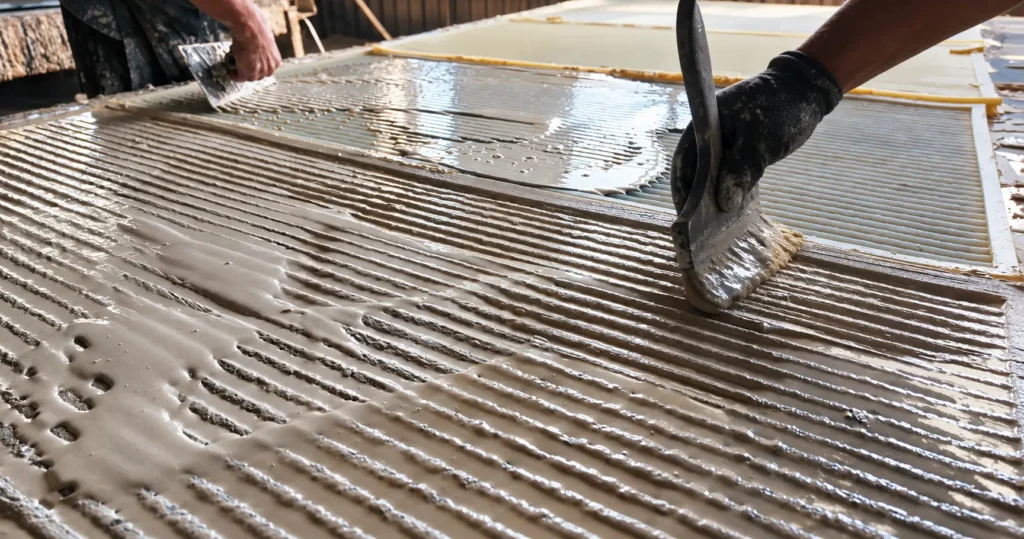
Flexible stone veneer is not the same as a solid slab cut directly from natural rock.
It is an engineered decorative cladding made primarily from mineral-based components combined with binders and reinforcement materials.
Its purpose is to reproduce the visual character of natural materials while providing a thinner and more flexible wall finish.
Can Flexible Stone Veneer Be Used Outdoors?
Yes.
Flexible stone products designed for exterior applications can be used on building facades.
However, exterior performance depends on the complete wall system rather than the decorative panel alone.
Important factors include:
- Substrate preparation
- Adhesive compatibility
- Joint treatment
- Weather-resistant sealing
- Wall waterproofing
- Drainage
- Climate conditions
- Local construction requirements
For exterior facade projects, the relevant technical documentation should be confirmed before final specification.
Can Flexible Stone Veneer Be Installed Over Existing Tiles?
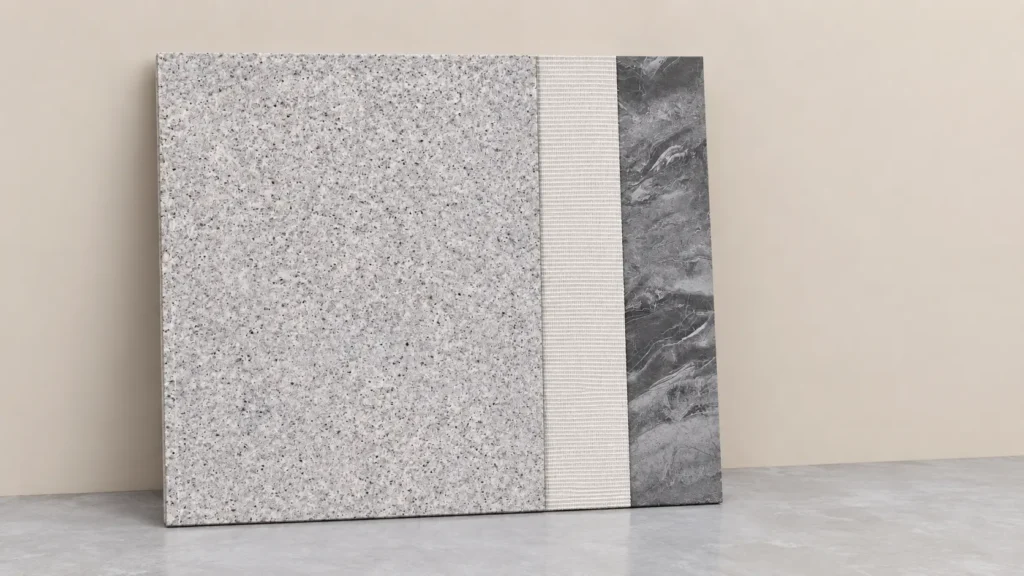
In many renovation projects, yes.
Flexible stone can be installed over existing tiles when the original surface is stable and properly prepared.
The substrate should be:
- Firm
- Flat
- Clean
- Dry
- Free from loose materials
- Free from continuous moisture problems
Smooth surfaces such as existing tiles, glass or metal may require additional cleaning, surface treatment or a compatible primer before installation.
Does Flexible Stone Veneer Contain Formaldehyde?
The answer depends on the manufacturer’s formulation.
YITA flexible stone products use mineral-based materials combined with water-based polymer systems and are designed without intentionally added formaldehyde.
For projects with specific environmental requirements, buyers should review the relevant test reports and technical documentation for the selected product.
What Sizes Are Available?
Flexible stone veneer is available in different sizes depending on the texture and production process.
Common YITA sizes include:
- 600 × 1200 mm
- 1200 × 2400 mm
- 1200 × 3000 mm
Other sizes can also be discussed according to project requirements.
Product thickness varies by texture and design, with YITA flexible stone products generally available within approximately 2–10 mm.
Can Flexible Stone Veneer Be Customized?
Yes.
Depending on project requirements, flexible stone can be produced in different:
- Colours
- Surface textures
- Panel sizes
- Thicknesses
- Decorative finishes
YITA’s main flexible stone collections include:
- Travertine Collection
- Faux Stone Collection
- Linear Texture Collection
- Wood Grain Collection
- Rammed Earth Collection
- Luxury Gilded Collection
Custom sizes, colours and selected finishes can also be discussed for project orders.
Frequently Asked Questions
What is flexible stone veneer?
Flexible stone veneer is a thin, lightweight wall cladding made primarily from mineral-based materials, polymer binders and reinforcement layers. It is designed to reproduce natural stone textures while remaining lighter and more flexible than conventional stone slabs.
Is flexible stone veneer real stone?
It is not a solid slab cut directly from natural rock. It is an engineered mineral-based decorative cladding designed to reproduce a natural stone appearance.
Can flexible stone veneer be used outdoors?
Yes. Products designed for exterior applications can be used on building facades when combined with a suitable substrate, adhesive, joint treatment, sealing and waterproofing system.
Can flexible stone veneer bend?
Yes. Many flexible stone products can bend to fit columns and curved walls. Thin sheets with shallow textures generally offer greater flexibility than thick or deeply textured panels.
Can flexible stone veneer be installed over existing tiles?
Yes, in many renovation projects. The existing tile surface must be stable, flat, clean and dry and may require surface preparation or primer before installation.
What is flexible stone veneer made of?
It is generally made from mineral-based raw materials, polymer binders, pigments, reinforcement materials such as fiberglass mesh, and processing additives.
How thick is flexible stone veneer?
Thickness varies depending on the product and texture. YITA flexible stone products are generally available within approximately 2–10 mm.
Can flexible stone veneer be customized?
Yes. Colour, texture, panel size and selected surface finishes can be customized according to project requirements and order quantity.
Conclusion
Flexible stone veneer is a modern architectural cladding material that combines mineral-based texture, lightweight construction and greater design flexibility.
Compared with traditional natural stone, it can reduce wall load, simplify transportation and make installation on renovation projects or curved surfaces easier.
Compared with conventional ceramic tiles, it provides additional flexibility in texture, dimensions and architectural applications.
For architects, contractors, distributors and developers, flexible stone can be considered for projects where stone-like appearance, low weight, thin construction and installation flexibility are important.
For a specific project, product thickness, texture, substrate condition, adhesive system, fire performance and exterior installation requirements should always be evaluated together.
Need Samples or Technical Information for Your Project?
Contact YITA to request product samples, technical datasheets, available textures and wholesale project pricing.