
-
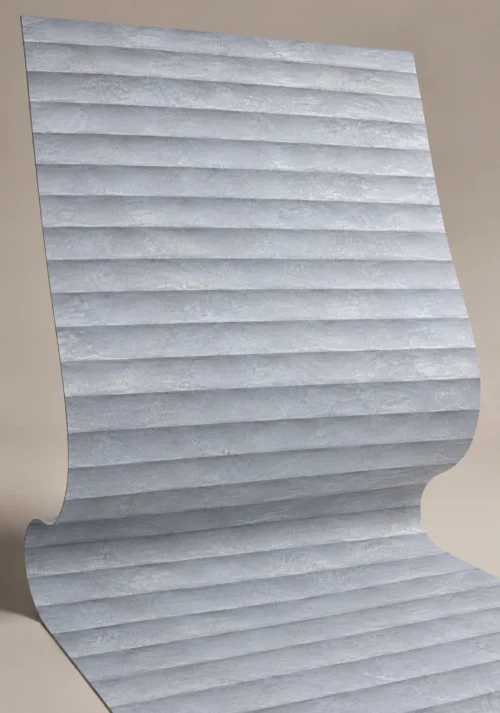
Stone Metal Harmony
$35.00 -
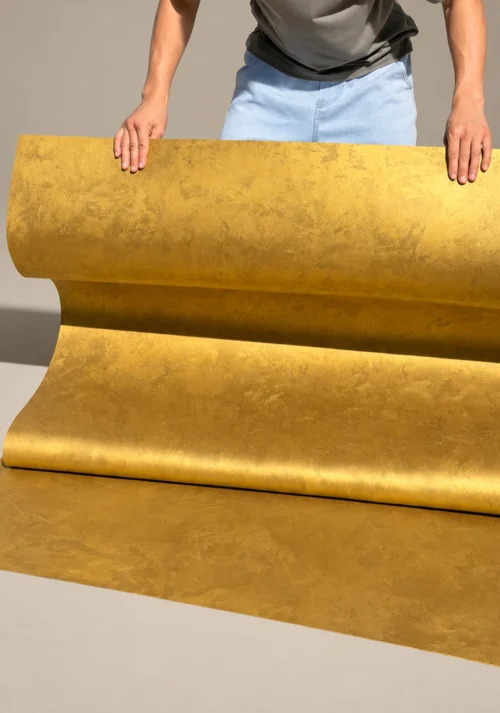
Metallic Silk
$35.00

-
Call Now 578-393-4937
-
Any Questions cosmetics@mail.com
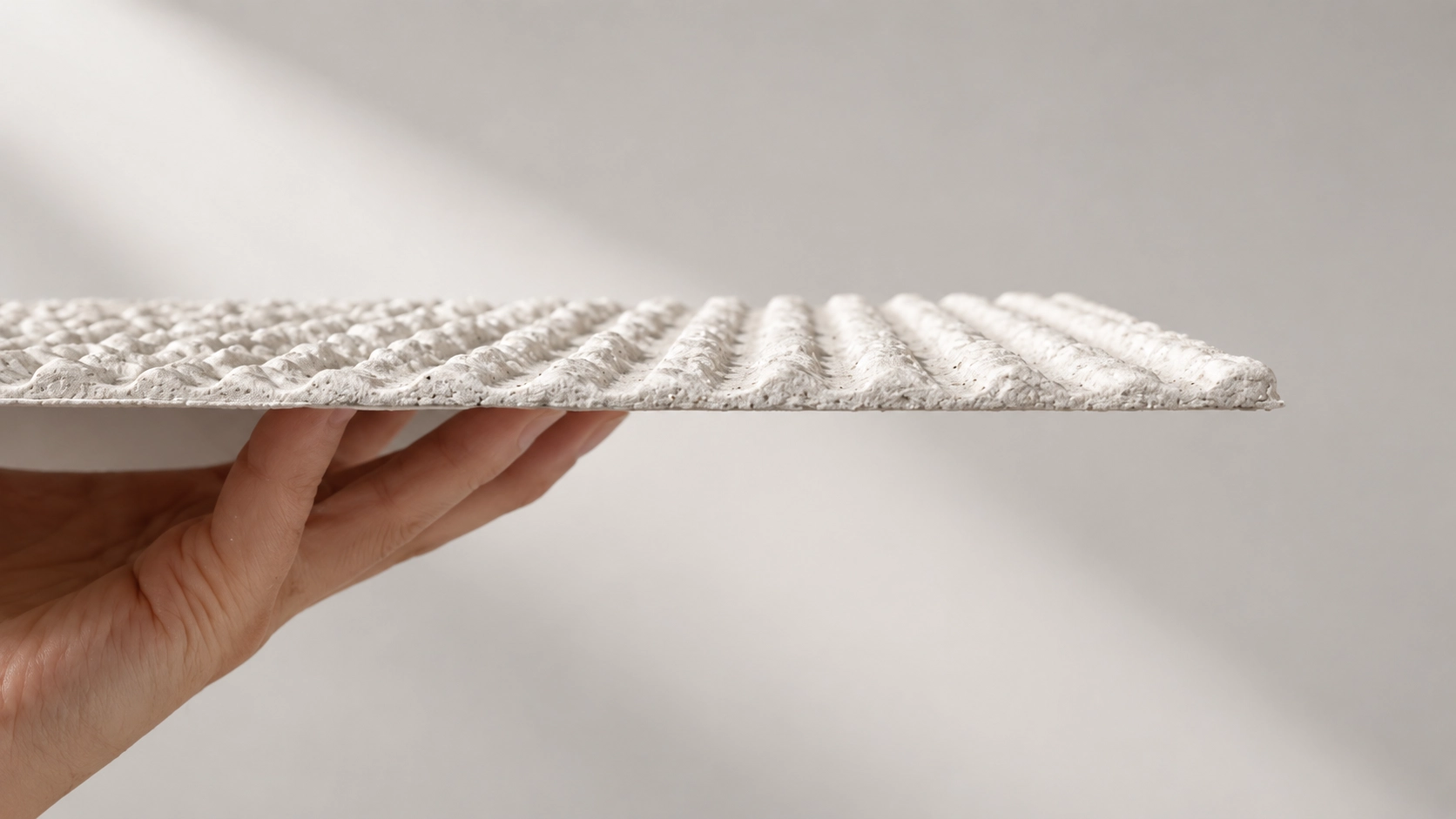
How Thick Is Flexible Stone? Thickness, Weight and Size Guide
Bychloe
When selecting materials for wall decoration projects, thickness and weight are important specifications for architects, contractors and project buyers.
Compared with traditional stone veneer and other wall finishing materials, flexible stone is designed with a lightweight and thin structure while maintaining a natural stone appearance.
So, how thick is flexible stone?
In general, flexible stone thickness ranges from 2mm to 10mm, depending on the product structure, surface texture and application requirements.
For most standard flexible stone products, the thickness is commonly around 2.5mm to 4mm.
What Is the Standard Thickness of Flexible Stone?
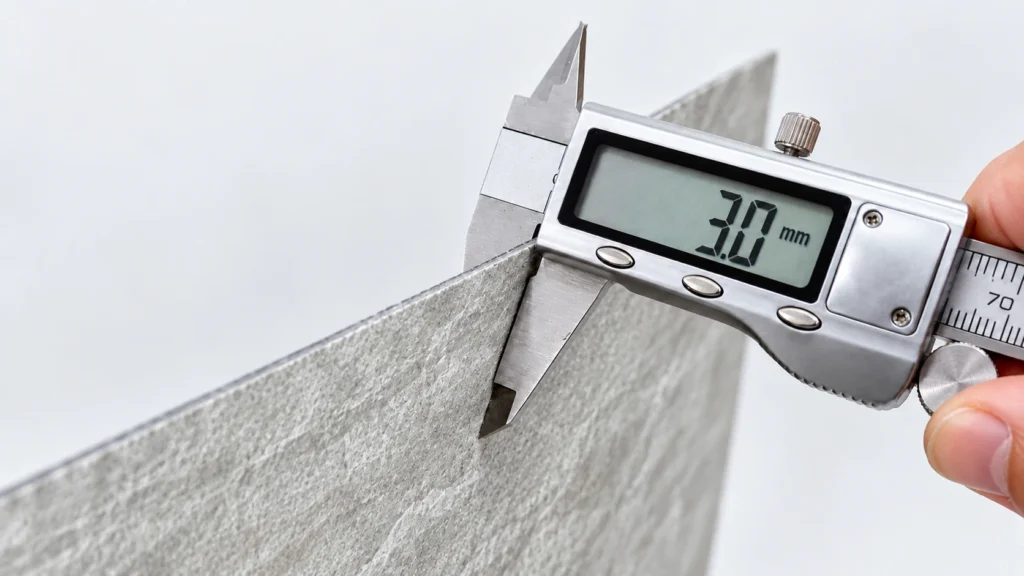
Flexible stone is produced as a thin architectural finishing material rather than a traditional thick stone panel.
Common thickness ranges include:
| Thickness | Typical Application |
|---|---|
| 2–3mm | Lightweight interior applications, renovation projects and areas requiring easier handling |
| 3–5mm | Common residential and commercial wall applications |
| 5–8mm | Products with deeper textures or enhanced surface effects |
| 8–10mm | Customized designs or highly textured surfaces |
For most wall applications, 3–5mm flexible stone provides a good balance between appearance, flexibility and installation convenience.
However, the suitable thickness depends more on the product structure and project requirements rather than thickness alone.
Why Is Flexible Stone So Thin?
One of the main advantages of flexible stone is its lightweight construction.
Traditional stone materials usually require greater thickness, which can increase:
- Material weight
- Transportation costs
- Installation difficulty
- Requirements for wall loading capacity
Flexible stone uses a thin mineral-based decorative surface combined with a reinforced backing structure, allowing it to provide a stone-like appearance with a much lighter profile.
This makes it suitable for:
- Interior feature walls
- Villa facades
- Commercial spaces
- Renovation projects
How Much Does Flexible Stone Weigh per Square Meter?
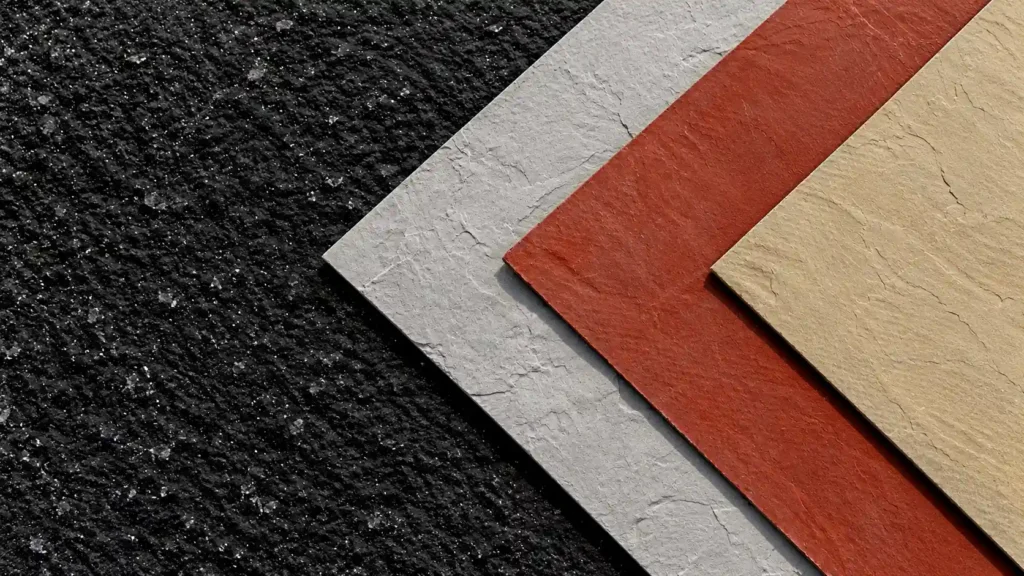
The weight of flexible stone depends on several factors, including:
- Thickness
- Surface texture
- Product structure
- Panel size
Most flexible stone products typically weigh around:
3–10kg/m²
Some deeper textured or customized products may have higher weight due to their surface structure and material composition.
For example, YITA flexible stone with a panel size of:
600×1200mm
has an individual weight of approximately:
9.2kg per panel
Since the panel area is 0.72m², the weight is approximately:
12.8kg/m²
Does Thicker Flexible Stone Mean Better Quality?
Not necessarily.
A thicker flexible stone product does not always provide better performance.
The ideal thickness depends on:
- Application location
- Surface texture
- Installation conditions
- Project requirements
For example:
Interior Renovation Projects
Thinner flexible stone sheets can be beneficial because they:
- Reduce additional wall load
- Are easier to transport and handle
- Can be applied in renovation projects where existing surfaces need upgrading
Exterior Applications
Outdoor projects require more attention to:
- Substrate stability
- Adhesive selection
- Joint sealing
- Weather exposure
A complete installation system is more important than thickness alone.
What Are Common Flexible Stone Sheet Sizes?
Besides thickness, panel size is another important factor for project planning.
Common flexible stone sizes include:
| Size | Typical Use |
|---|---|
| 20×20mm | Samples and small applications |
| 600×1200mm | Standard wall applications |
| 1200×2400mm | Large wall surfaces |
| 600×3000mm | Vertical applications and special designs |
| 1200×3000mm | Large-format architectural projects |
Large-format flexible stone sheets can help reduce visible joints and create a cleaner overall wall appearance. Custom sheet sizes can also be produced according to specific project requirements.
How to Choose the Right Flexible Stone Thickness?
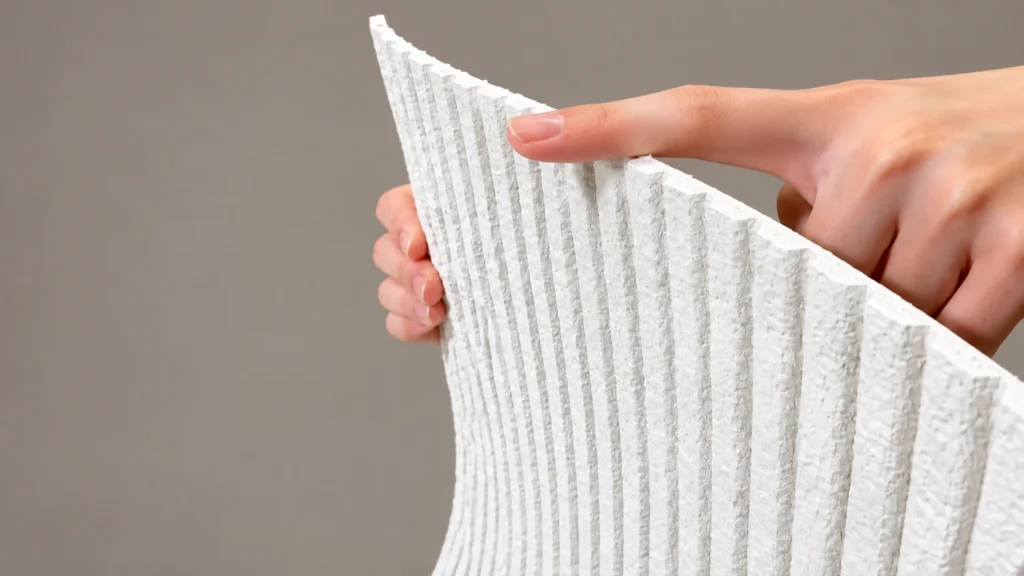
When selecting flexible stone thickness, consider the following factors:
1. Application Location
Interior walls, exterior facades and curved surfaces may require different product specifications.
2. Surface Texture
Smooth surfaces usually require less thickness, while deeper 3D textures may need a thicker structure to achieve the desired appearance.
3. Installation System
The final performance depends on the complete system:
- Suitable substrate
- Appropriate adhesive
- Correct installation method
4. Project Requirements
Large commercial projects may prioritize:
- Panel size
- Weight control
- Installation efficiency
- Long-term stability
Final Thoughts
Flexible stone thickness typically ranges from 2mm to 10mm, while most standard products are commonly produced around 2.5mm to 4mm.
The right thickness should be selected according to the texture, application environment and installation requirements.
For modern architectural projects, flexible stone provides a lightweight alternative with natural surface aesthetics, making it suitable for:
- Residential interiors
- Commercial spaces
- Villa facades
- Renovation applications
A successful installation depends not only on the thickness of the material, but also on the complete system:
Suitable substrate + appropriate adhesive + correct installation method