
-
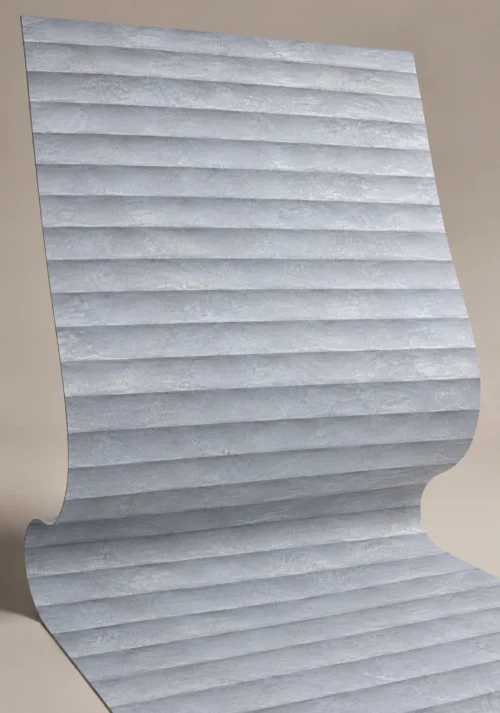
Stone Metal Harmony
$35.00 -
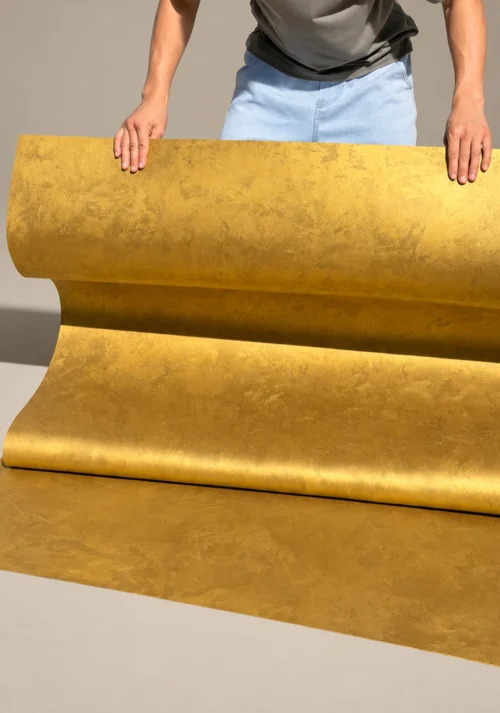
Metallic Silk
$35.00

-
Call Now 578-393-4937
-
Any Questions cosmetics@mail.com
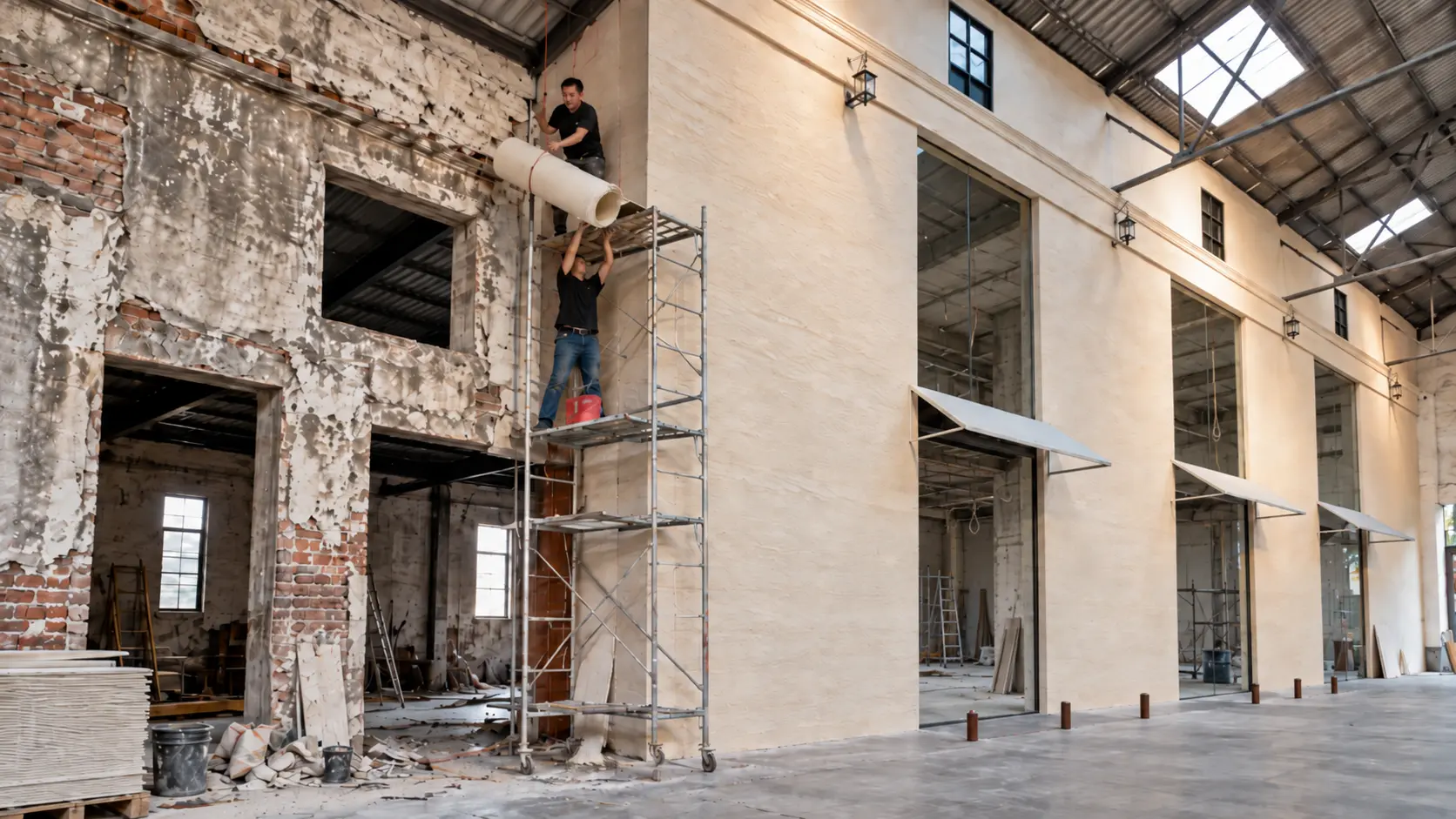
Flexible Stone for Renovation Projects: What Makes It Suitable for Wall Upgrades?
Bychloe
Renovation projects are different from new construction. In many cases, the work needs to build on an existing wall rather than a completely new substrate.
Existing walls may already be covered with tile, paint, plaster or other finishes. Conventional renovation can involve removing the old surface, disposing of construction waste, repairing the substrate and preparing the wall again before installing the new finish.
For hotels, retail stores, offices, restaurants, residential interiors and other refurbishment projects, this can mean more labor, longer installation times and greater disruption on site.
Flexible stone offers a relatively lightweight, thin and easy-to-process surface solution with a wide range of decorative textures.
When the existing substrate is suitable, some projects may avoid unnecessary large-scale removal work, helping reduce demolition, waste and installation time.
The key condition is simple:
The existing substrate must first be checked and confirmed suitable for installation.
Why Is Flexible Stone Suitable for Renovation?
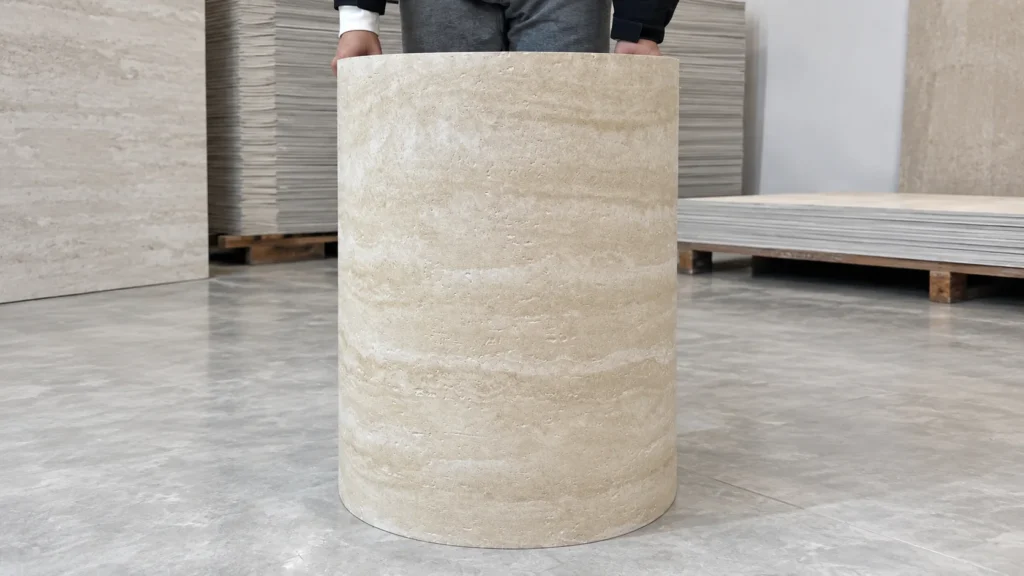
The value of flexible stone in renovation is not simply that it can bend.
Its practical advantages include:
- a relatively thin profile
- lower weight than many conventional stone finishes
- easy on-site cutting
- multiple panel size options
- a wide range of textures and surface effects
- the possibility of reducing demolition when the existing substrate is suitable
Depending on the product construction and texture, YITA flexible stone is generally available in thicknesses of approximately 2–10 mm.
For projects where much of the existing building will be retained while the wall surface is upgraded, a thin decorative finish can be particularly useful.
Can Flexible Stone Reduce Renovation Time and Cost?
In the right project conditions, it can help.
A traditional wall renovation may involve:
removal → waste disposal → substrate repair → leveling → new finish installation
If the existing wall can be retained, some removal and rebuilding steps may be reduced.
This can mean:
- less demolition
- less construction waste
- lower disposal requirements
- less substrate rebuilding
- shorter on-site installation time
For hotels, shops and restaurants, shorter construction periods may also help reduce disruption to normal operations.
The cost advantage therefore does not necessarily come from the material price alone.
Flexible stone is not automatically cheaper in every project, but where the existing substrate can be retained, it may help reduce overall renovation costs by simplifying part of the installation process.
Can Flexible Stone Be Installed Over Existing Walls?
In many cases, yes.
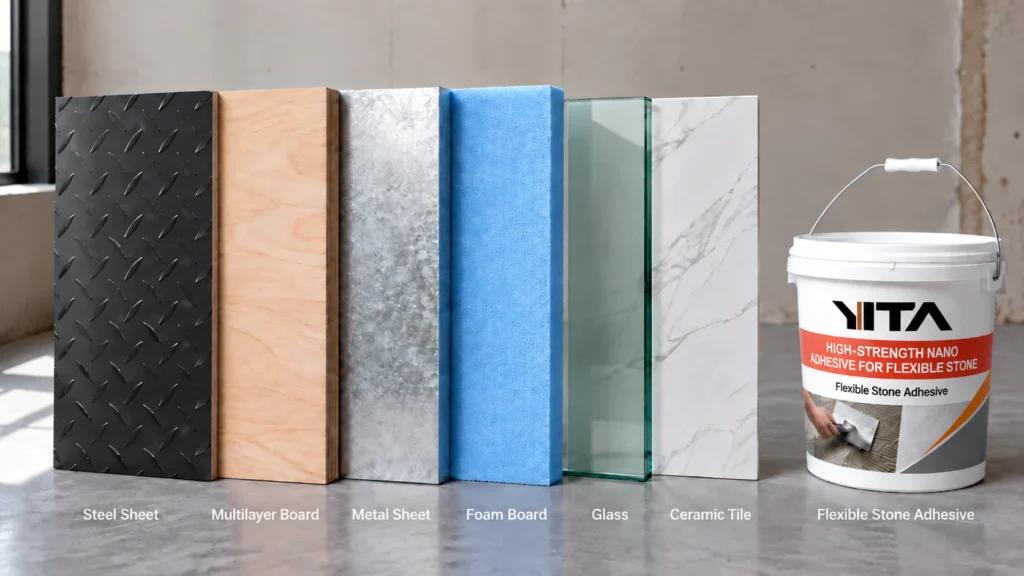
Flexible stone can be installed over a variety of substrates, including plywood or multilayer board, metal sheet, foam board, aluminum panels, glass, existing ceramic tiles and magnesium oxide boards.
Before installation, the substrate should be:
Stable, flat, clean, dry, and free from oil, dust, loose material, and ongoing water penetration.
For smoother surfaces such as glass, metal, aluminum panels and existing tiles, cleaning, degreasing, light abrasion, surface preparation or a suitable primer may be required depending on the installation system.
If the existing surface has hollow areas, loose sections, serious cracks, powdering or water leakage, these problems should be repaired first.
Existing ceramic tiles do not always need to be removed. If they are firmly bonded and the surface is properly prepared, they can often serve as a base for the new finish.
For larger or more important projects, a small-area adhesion test is recommended before full installation.
What Panel Size Is Suitable for Renovation?
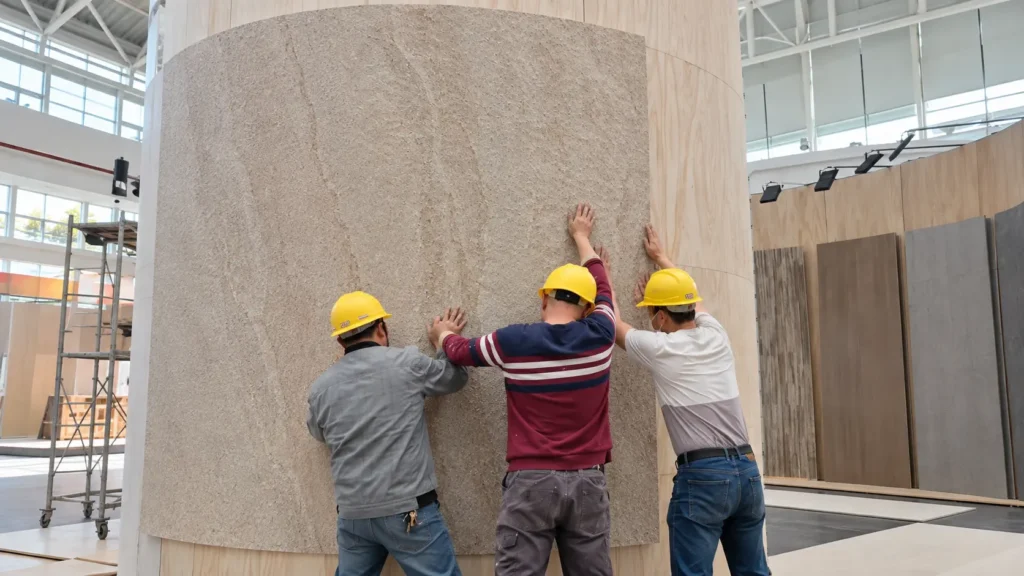
Depending on the selected YITA product, common panel sizes include:
- 600 × 1200 mm
- 600 × 3000 mm
- 1200 × 2400 mm
- 1200 × 3000 mm
Large-format panels can reduce visible joints and create a more continuous surface, making them useful for feature walls, lobbies and large commercial interiors.
However, larger is not always better.
Walls with many doors, windows, corners, columns or other details may be easier to install using smaller panels.
Panel size should therefore be selected according to the actual wall dimensions and site layout, rather than simply choosing the largest available format.ensions and site layout, rather than simply choosing the largest format available.
Is Flexible Stone Suitable for Curved Renovation Surfaces?
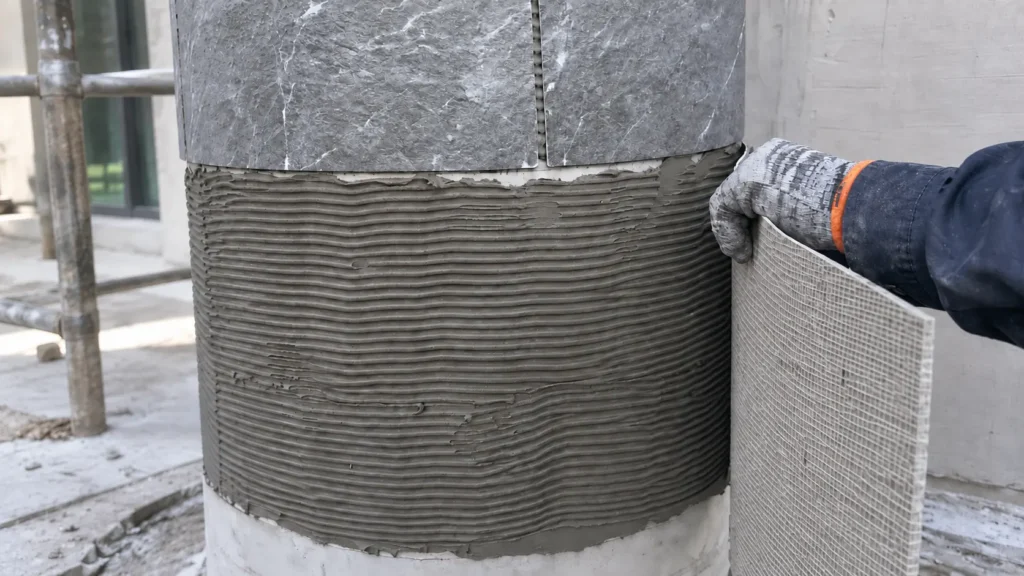
Some products are.
Thinner flexible stone panels with shallower textures generally adapt more easily to columns, rounded corners and gently curved walls.
Products with deeper textures, more pronounced surface relief or greater thickness should not be tightly rolled or sharply bent, as excessive bending may cause surface cracking.
For curved applications, it is best to test the actual sample against the required bending radius before installation.
Can Flexible Stone Be Used for Exterior Renovation?
Yes, but exterior projects should be evaluated as a complete wall system rather than focusing only on the surface finish.
Key considerations include waterproofing, exterior-grade adhesives, joint treatment, weather-resistant sealing, drainage design, local climate and building-code requirements.
It is also important to note that flexible stone is a decorative finish within the exterior wall system and does not replace the wall’s waterproofing system.
If the existing wall has water leakage, hollow areas or structural cracks, these issues should be repaired before the new finish is installed.
Which Flexible Stone Finishes Work Well for Renovation?
YITA flexible stone is available in six main surface collections:
- Travertine Collection
- Faux Stone Collection
- Linear Texture Collection
- Wood Grain Collection
- Rammed Earth Collection
- Luxury Gilded Collection
Travertine and faux stone create a stronger stone-inspired appearance, while wood grain and linear textures suit many contemporary spaces. Rammed earth offers a softer mineral character, and luxury gilded finishes can be used where a more decorative focal point is required.
For renovation projects, the finish should be selected according to the existing architecture, interior style and intended application, rather than color alone.
Is Flexible Stone a Good Choice for Wall Renovation?
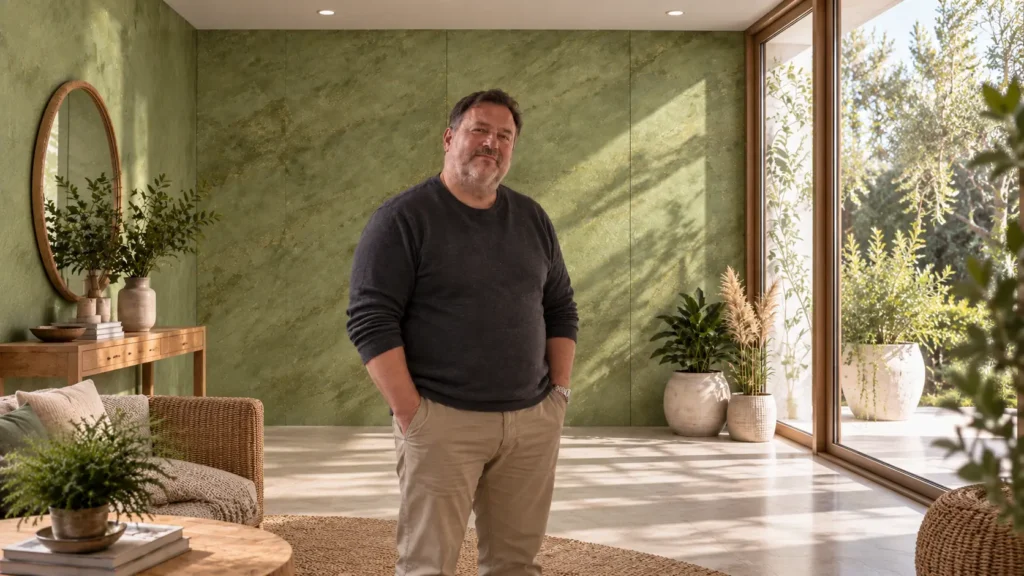
For projects that need a lightweight, thin and visually distinctive wall finish, particularly where unnecessary demolition should be reduced, flexible stone can be a practical option.
It is especially useful when the goal is to upgrade the appearance of an existing space while keeping the renovation process relatively efficient.
A practical selection sequence is:
check the substrate → confirm the application → choose the texture → determine size and thickness → confirm the installation method → test samples
For a renovation project, you can send YITA your existing wall photos, wall dimensions, application area, preferred texture and estimated quantity. We can help identify suitable flexible stone options and provide samples for project evaluation.