
-
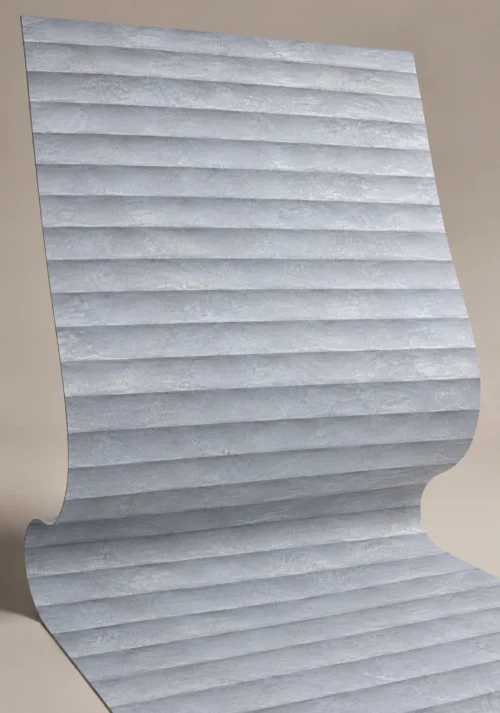
Stone Metal Harmony
$35.00 -

Metallic Silk
$35.00

-
Call Now 578-393-4937
-
Any Questions cosmetics@mail.com
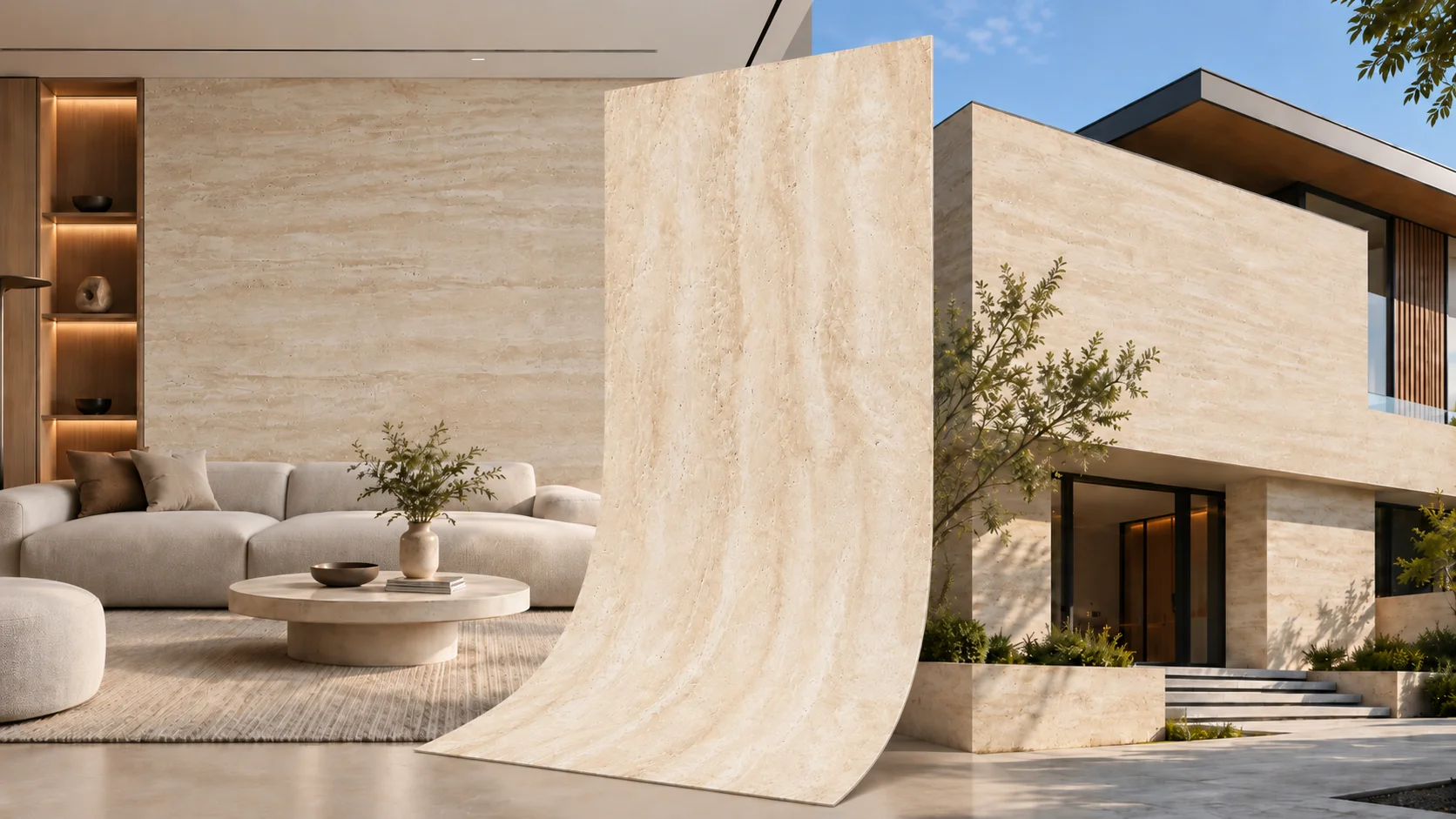
How to Choose Flexible Stone Wall Panels for Interior and Exterior Projects
Bychloe
Choosing flexible stone wall panels is not only about color or texture.
For interior walls, design, panel size and surface finish are often the main considerations. Exterior projects also require attention to the substrate, adhesive system, joints, waterproofing and local technical requirements.
A practical selection process is:
application → texture → size → thickness → installation conditions → technical documentation
Where Can Flexible Stone Be Used?
Flexible stone can be used for interior walls, renovation projects, curved surfaces, exterior facades and commercial spaces. The right product depends on the application, substrate and installation conditions.
| Application | What to Consider |
|---|---|
| Interior walls | Texture, color, panel size and overall visual effect |
| Renovation projects | Panel thickness, weight and condition of the existing surface |
| Curved walls and columns | Flexibility, thickness and texture depth |
| Exterior facades | Substrate, waterproofing, adhesive system and joint treatment |
| Commercial spaces | Design requirements, installation method and technical documentation |
The application should be confirmed before selecting the texture, size and thickness.sier to install. Deeper or more structured textures are usually better suited to flat walls.
Which Flexible Stone Texture Should You Choose?
Surface texture has a major influence on the final architectural effect.
YITA flexible stone collections include six main surface systems:
- Travertine Collection
- Faux Stone Collection
- Linear Texture Collection
- Wood Grain Collection
- Rammed Earth Collection
- Luxury Gilded Collection
Color alone does not determine the final appearance.
Two beige panels can look very different once installed because of differences in texture scale, surface depth and pattern direction.
For project selection, consider:
color + texture + surface depth + direction
How Do Interior and Exterior Flexible Stone Differ?
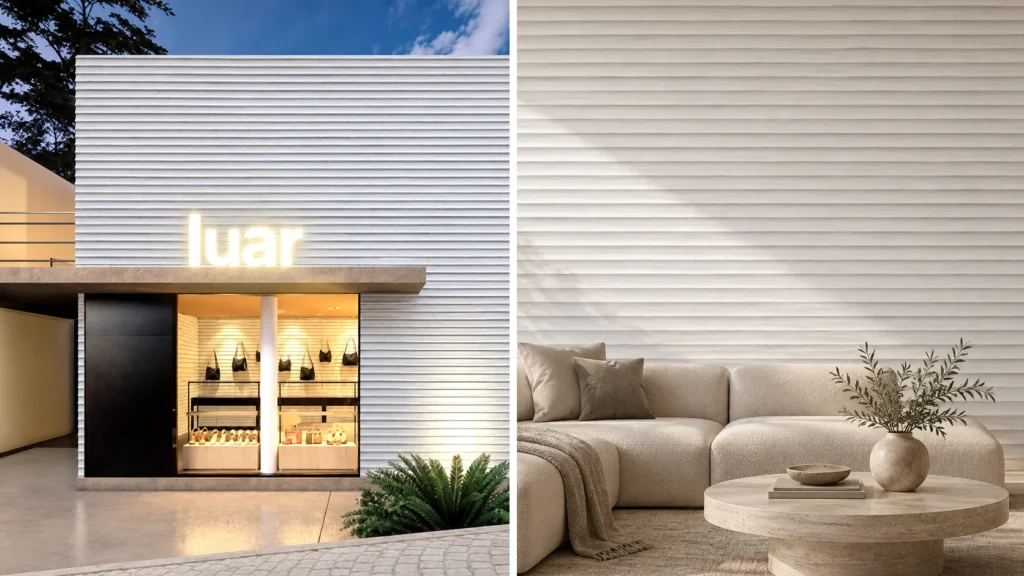
IInterior projects generally allow more freedom in surface selection. Visual effect, panel size, texture direction and substrate condition are usually the main considerations.
Exterior projects require more attention to the complete wall system, including the substrate, waterproofing, exterior-grade adhesive, joint treatment, weather-resistant sealing and local climate.
The decorative panel is only one part of an exterior wall system.
This article focuses on product selection. Installation requirements should be confirmed separately according to the actual project conditions.n requirements should be reviewed separately according to the project conditions.
What Size Flexible Stone Panels Should You Choose?
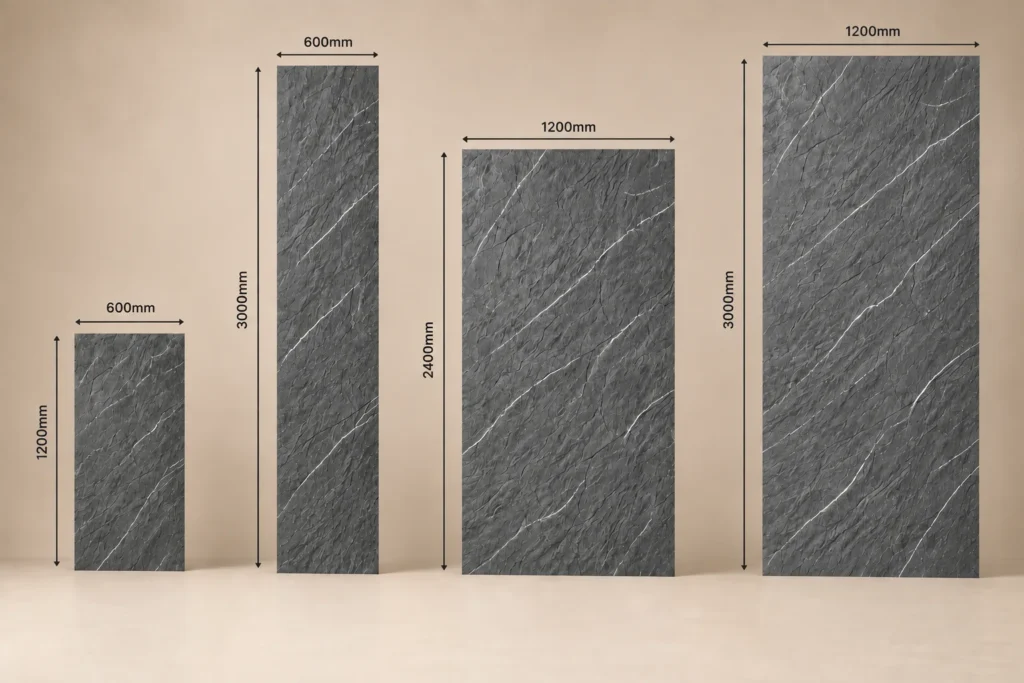
Depending on the selected YITA product, common sizes include:
- 600 × 1200 mm
- 600 × 3000 mm
- 1200 × 2400 mm
- 1200 × 3000 mm
Large-format panels can reduce visible joints and create a more continuous surface.
However, larger is not always better.
For walls with many corners, windows or openings, smaller panels may be easier to handle and cut.
YITA can also support custom panel sizes for suitable project quantities, depending on the selected texture and project requirements.
The best size should be selected according to the actual wall dimensions and layout.
How Thick Is Flexible Stone?
YITA flexible stone products are generally available in thicknesses from 2–10 mm, depending on the texture and product construction.
Thinner panels are usually lighter and more flexible, while deeper textures may require greater thickness to achieve the intended surface effect.
Thickness should therefore be considered together with texture depth, flexibility and installation conditions.
Can Flexible Stone Be Used on Curved Walls?
Yes, many flexible stone panels can be used on columns, curved walls and gently rounded surfaces.
Bending performance depends on the thickness, texture depth and surface structure of the selected product.
Thin panels with relatively shallow textures generally adapt more easily to curved surfaces. Deep or heavily textured panels should not be tightly rolled or sharply bent, as excessive bending may cause surface cracking.
For curved applications, confirm the required bending radius and test the actual product sample before installation.
What Should You Check Before Installation?
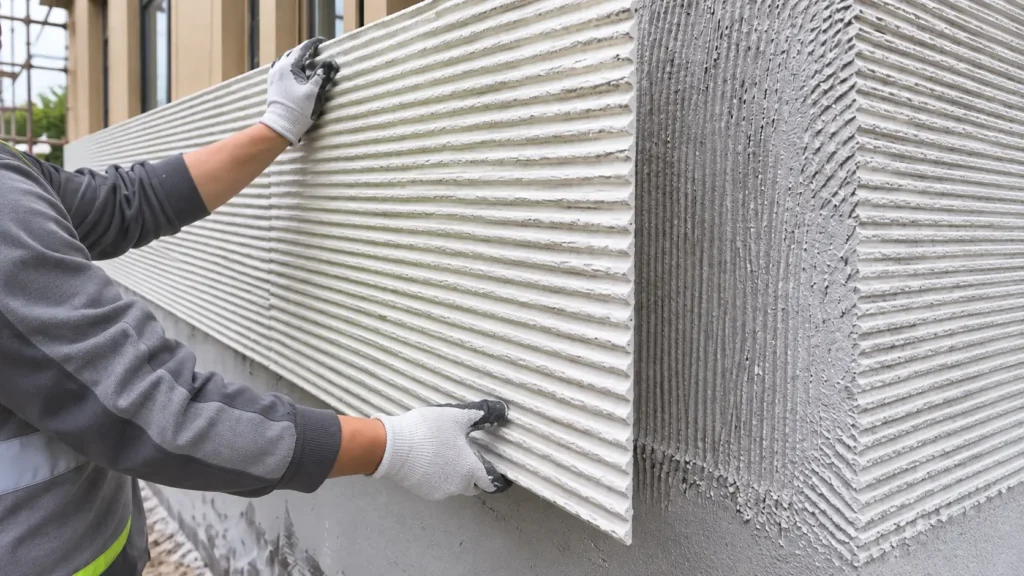
Even a suitable flexible stone panel requires a properly prepared substrate.
The wall should generally be flat, clean, dry, stable and free from loose material.
For exterior applications, the waterproofing system, adhesive and joint treatment should also be confirmed before installation.
Where visible joints are required, some YITA projects use approximately 5 mm as a reference. Final joint width should follow the selected product, design requirements and local installation conditions.reference, but the final joint width should follow the product, design and local installation requirements.
What Technical Documents Should Project Buyers Review?
For hotels, commercial spaces, public buildings and some exterior projects, technical documentation may be required.
Depending on the project, buyers may need information relating to fire performance, harmful substances, radionuclide limits, material composition, dimensions, thickness and weight.
YITA has relevant test documentation available for corresponding products.
Because building codes and accepted standards vary by country and region, project buyers should confirm that the available reports meet the requirements of the specific project.gion, project buyers should always confirm whether the available reports meet local project requirements.
Should You Request Samples Before Ordering?
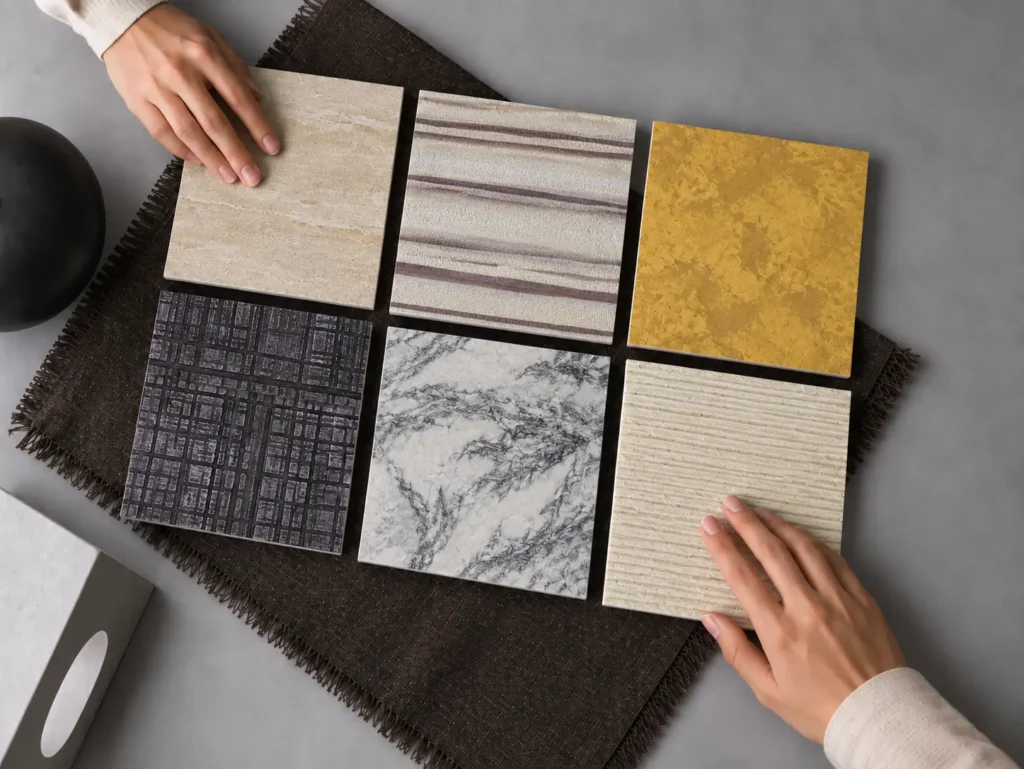
Yes, especially for project-based purchasing.
A physical sample allows you to check the actual color, texture depth, surface feel, flexibility and thickness, as well as how the material looks under different lighting conditions.
For textured architectural finishes, this is more reliable than making a final selection from website images alone. images alone.
What Are the Most Common Selection Mistakes?
Common mistakes include choosing only from photos, comparing products only by color, assuming all flexible stone has the same flexibility, and selecting a product without checking its available sizes or installation requirements.
Price per square meter should not be the only comparison point either.
Products may differ in thickness, surface depth, dimensions, manufacturing process and technical documentation. Some decorative or gilded finishes also involve more manual production than standard textured surfaces, which can affect their cost.on than standard textured surfaces, so their cost structure can also be different.
Which Flexible Stone Wall Panel Is Right for Your Project?
The right flexible stone panel depends on how well its texture, size, thickness and flexibility match the project conditions.
Before ordering, confirm the application, wall dimensions, substrate, preferred surface and any technical requirements.
For project recommendations, you can provide YITA with the application, wall dimensions, project location, preferred texture and estimated quantity. This helps narrow down the most suitable product options.